Your roof protects everything you hold dear—your family, your belongings, and your peace of mind. Yet many homeowners only think about it when leaks appear or shingles start blowing into the yard. That sudden stress hits hard, especially after a big storm in the Dayton area.
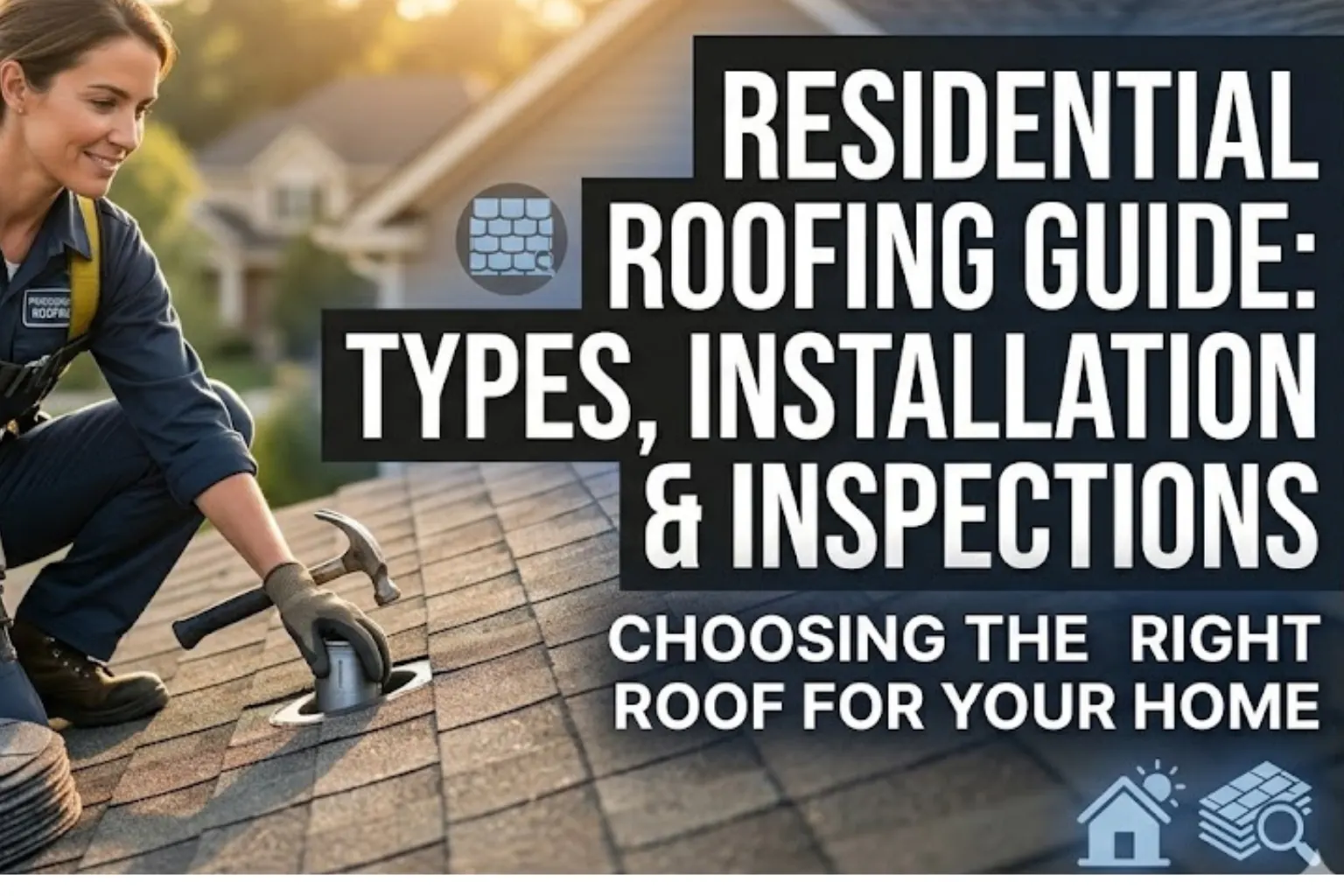
A good roof does more than keep rain out. It boosts your home’s value and cuts energy bills. Understanding your options helps you make smart choices instead of rushed ones. This guide walks you through residential roof types, the installation process, and why inspections matter.
Understanding Residential Roof Types
Homes in Ohio deal with snow, wind, rain, and temperature swings across all seasons. The right roofing material directly impacts durability, maintenance needs, and long-term cost. Residential roofing styles differ in appearance, strength, and lifespan.
Asphalt shingles remain the most common choice due to affordability and versatility. They fit most home designs and are available in multiple colors and textures.
Asphalt Shingle Roofs
Asphalt shingles work well for standard pitched roofs and are widely used across residential properties. They are quick to install and provide solid protection when properly applied.
Architectural shingles offer a thicker, more dimensional look compared to basic three-tab options. They typically last 25–30 years and perform better against wind and weather. Regular inspections are still important since granule loss happens gradually over time.
Metal Residential Roofing Options
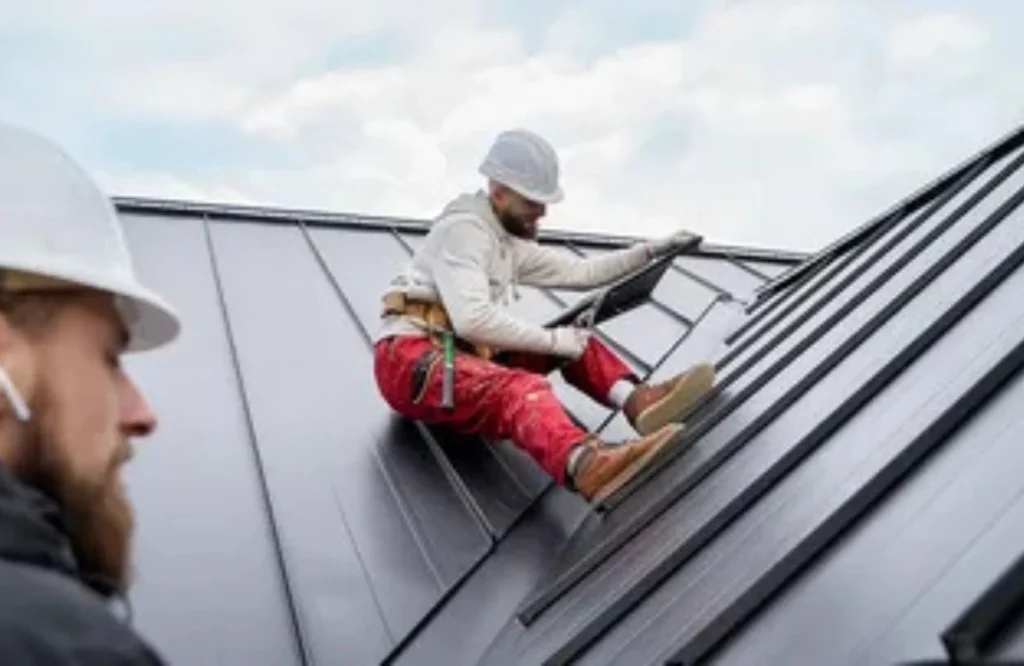
Metal roofing continues to grow in popularity in areas like Beavercreek and Dayton. It offers exceptional lifespan, often lasting 40–70 years with minimal maintenance.
Steel residential roofing stands out for strength and weather resistance. It handles hail, heavy snow, and high winds effectively. Protective coatings also reduce corrosion and reflect heat, improving summer energy efficiency.
Metal Roofing Types for Residential Use
Common metal roofing styles include standing seam panels, metal shingles, and corrugated systems. Each offers a different appearance while maintaining durability benefits.
Aluminum works well in lighter structures or moisture-prone environments. Steel provides added strength for harsher weather conditions. Proper installation ensures stability, noise control, and long-term performance.
Residential Flat Roof Considerations
Some homes and additions use flat roofing systems. These require specialized membranes and proper drainage to prevent water pooling.
Installation must be precise, as flat roofs are more sensitive to leaks. Professional application is essential to ensure long-term durability and weather protection.
The Residential Roofing Installation Process
A proper residential roofing installation follows a structured process. Skipping steps or rushing work often leads to future issues.
The process begins with removing old roofing materials and inspecting the roof deck for rot or damage. This structural evaluation ensures a strong foundation before new materials are added.
Next comes the underlayment, which acts as a moisture barrier. In Ohio, ice and water shields are especially important in vulnerable roof areas.
Ventilation is then assessed to maintain airflow in the attic. Proper ventilation reduces heat buildup in summer and moisture problems in winter, extending roof lifespan.
Roofing materials are installed next. Asphalt shingles require precise nailing patterns and overlap techniques. Metal systems are secured using interlocking panels or fasteners designed for expansion and contraction.
Flashing around chimneys, valleys, and vents is carefully sealed to prevent leaks. The final step includes cleanup and a full walkthrough of the completed project.
Why Regular Roof Inspections Matter
Small roofing issues often go unnoticed until they turn into major repairs. A residential roof inspection helps detect early signs of damage.
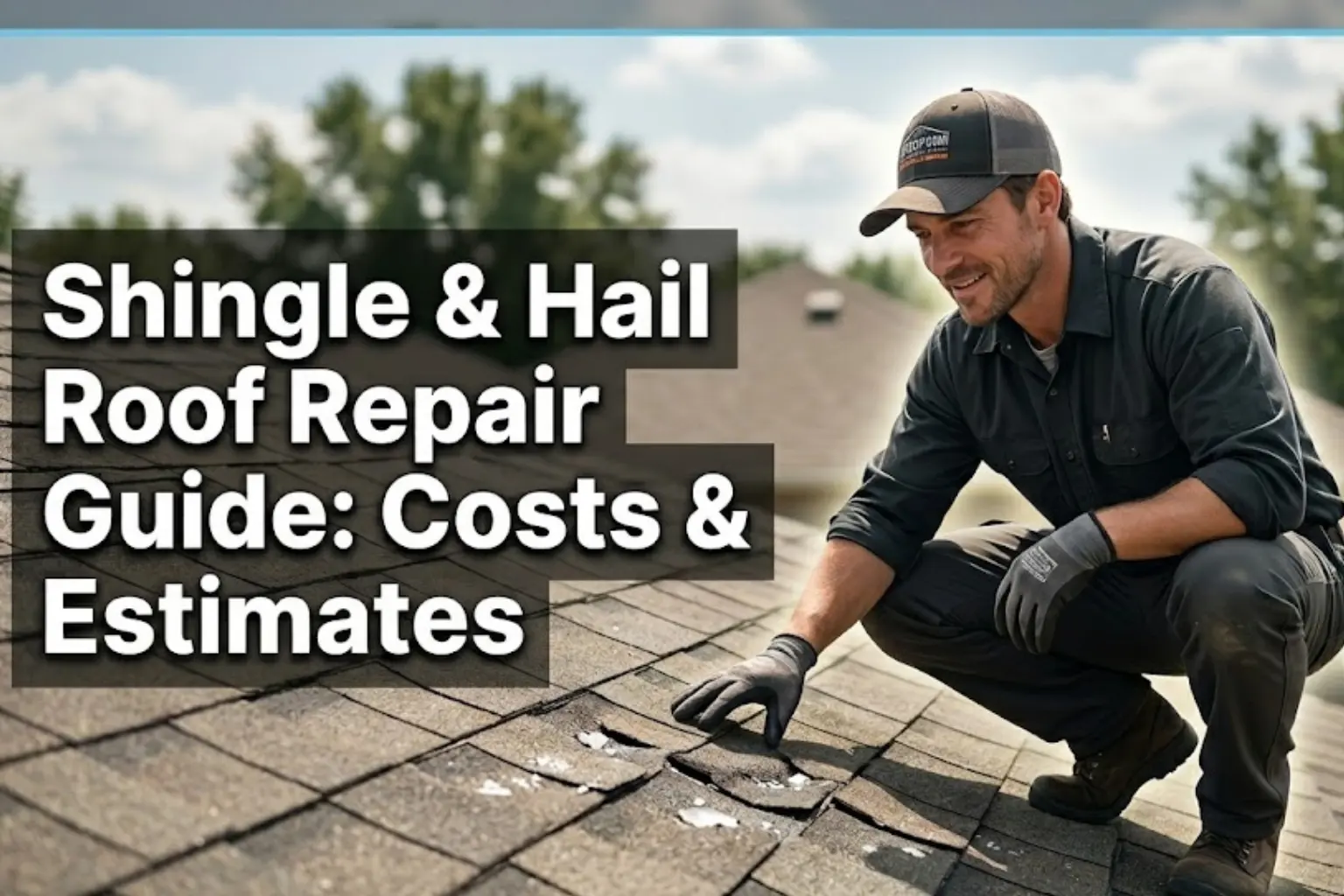
Common issues include missing shingles, cracked flashing, granule loss, and soft spots that indicate hidden moisture. Early detection prevents costly structural damage.
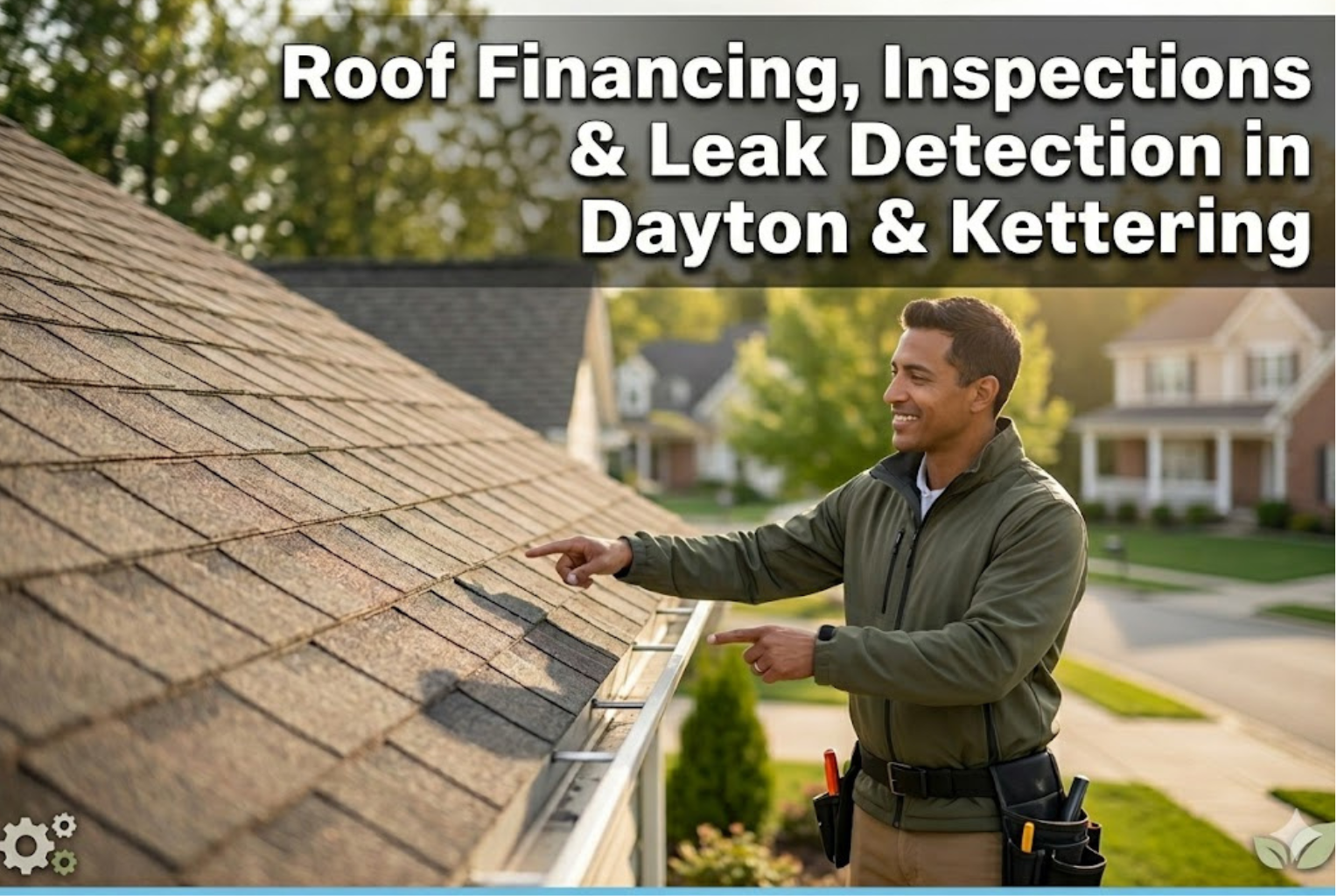
Professional inspections also include moisture detection tools and visual checks of vulnerable areas. Scheduling a free residential roof inspection once a year is recommended, with additional checks after major storms.
Preventive maintenance such as gutter cleaning, trimming nearby trees, and fixing small issues quickly helps extend roof life significantly.
Choosing the Right Residential Roofing Contractors
Not all roofing contractors specialize in every material. Choosing experienced professionals ensures proper installation and long-term performance.
Local expertise matters in Ohio due to changing weather conditions and building requirements. Contractors familiar with regional climates understand which materials perform best.
Always verify licensing, insurance, and warranties. Reliable contractors provide clear communication and stand behind their work.
Helping Hands Roofing has experience with a wide range of residential roofing systems, offering repairs, replacements, and inspections tailored to local needs.
Ready for Expert Roof Installation?
Your home deserves a roof built to last through every season. Whether you need residential roofing installation, repairs, or a professional inspection, choosing the right team ensures lasting protection.
Helping Hands Roofing serves Beavercreek and the greater Dayton area with dependable roofing solutions and honest evaluations.
Schedule your free residential roof inspection today at hhrdayton.com or call to speak with a roofing expert. Early action prevents costly damage and gives you peace of mind year-round.
Frequently Asked Questions
How long does residential roofing installation usually take?
Most installations take 2–5 days depending on roof size, weather, and material type. Larger or more complex roofs may take longer.
Is metal residential roofing worth the extra cost?
Yes. Metal roofing lasts significantly longer than asphalt and improves energy efficiency. It often reduces long-term replacement and maintenance costs.
Is metal residential roofing worth the extra cost?
Once per year is ideal, plus after major storms. Regular inspections help detect problems early and prevent expensive repairs.
Can I install a metal roof over shingles?
In some cases, yes. A professional inspection is needed to determine if the existing structure can support it safely.
What makes a good roofing contractor?
Experience, local knowledge, proper licensing, insurance, and strong warranties. Clear communication is also essential for a smooth project.