
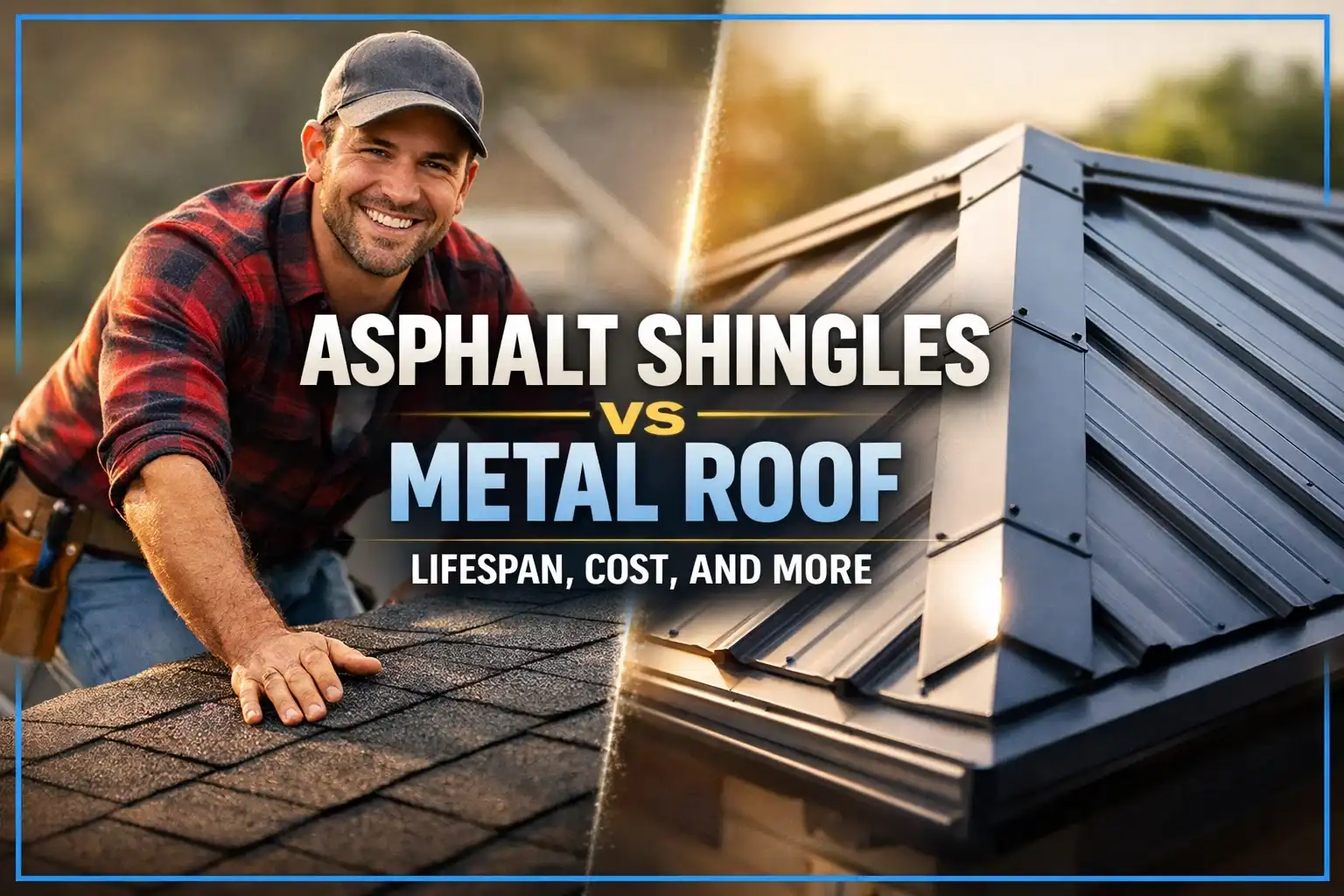
The two most popular types of roofs in North America are metal roofs and asphalt shingles. Metal roofs cost more up front, but they can last 40–60 years or more. Asphalt shingles are cheaper, but they typically last 20–30 years.
Your budget, climate, and long-term goals all play a major role in choosing the right roofing material. Both options have clear strengths and weaknesses, making it important to compare them carefully before deciding.
Metal Roof Pros and Cons
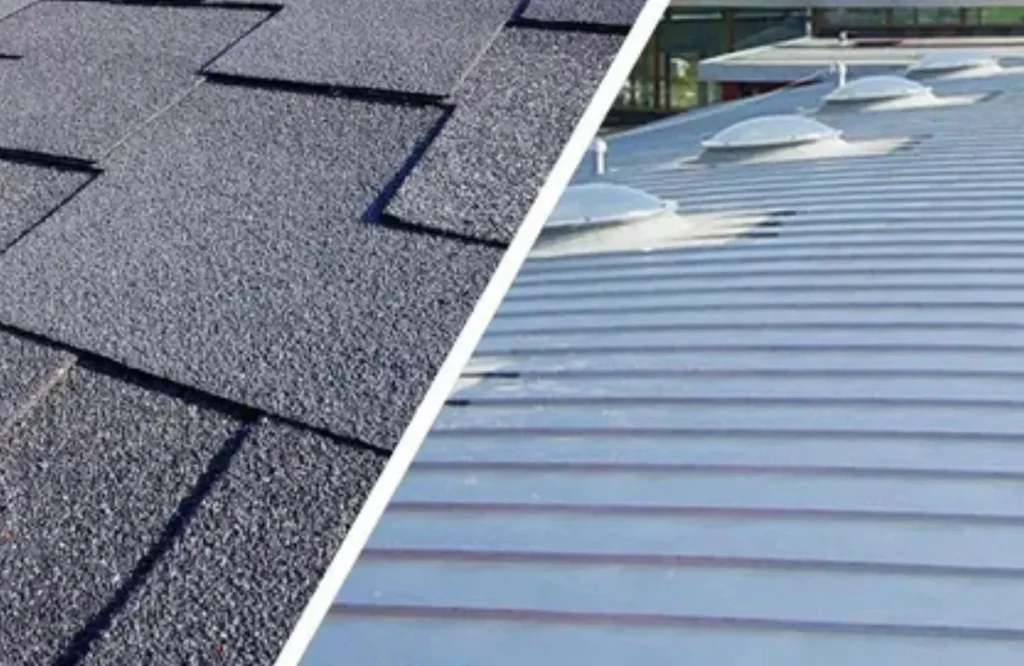
Metal roofs are made from durable materials such as steel, aluminum, copper, and zinc. They are widely used in residential, commercial, and industrial buildings due to their strength and long lifespan.
Advantages of Metal Roofs
Metal roofs are known for their durability and long-term performance:
- Long lifespan: Can last 40–60+ years with proper maintenance
- Weather resistance: Performs well against strong winds, heavy snow, and wildfires
- Energy efficiency: Reflects heat, helping reduce cooling costs
- Ventilation benefits: Installation systems can improve airflow under the roof
- Low maintenance: Requires fewer repairs over time due to strong materials
Disadvantages of Metal Roofs
Despite their benefits, metal roofs come with some drawbacks:
- Higher upfront cost: Typically 2–3 times more expensive than asphalt shingles
- Noise factor: Rain or hail can be louder without proper insulation
- Denting risk: Aluminum and copper may dent from hail or debris
- Specialized installation: Requires skilled professionals for correct setup
Improper installation can reduce lifespan and lead to costly repairs.
Asphalt Shingles Pros and Cons
Asphalt shingles are made from a combination of asphalt and fiberglass. They remain the most commonly used roofing material in North America due to affordability and ease of installation.
Advantages of Asphalt Shingles
- Affordable: Lower material and installation cost
- Easy installation: Faster and less labor-intensive
- Simple repairs: Individual shingles can be replaced easily
- Wide variety: Available in multiple colors, styles, and textures
- Readily available: Found at most home improvement stores
- Experienced installers: Most contractors are highly familiar with installation
Disadvantages of Asphalt Shingles
- Shorter lifespan: Typically lasts 20–30 years
- Higher long-term cost: More frequent replacements over time
- Weather sensitivity: Can crack, fade, or blow off in extreme weather
- Maintenance needs: Requires regular inspections and upkeep
Metal Roof Cost vs Asphalt Shingles Cost (2026)
Cost of Asphalt Shingles
Asphalt shingles generally cost $5 to $7 per square foot installed. Pricing depends on material quality and roof complexity.
Cost of Metal Roofing
Metal roofing typically costs $10 to $15 per square foot installed. While more expensive upfront, it offers longer lifespan and reduced maintenance costs.
Local Factors Influencing Roofing Costs
Several factors can affect total roofing expenses:
Tear-Off and Disposal Costs
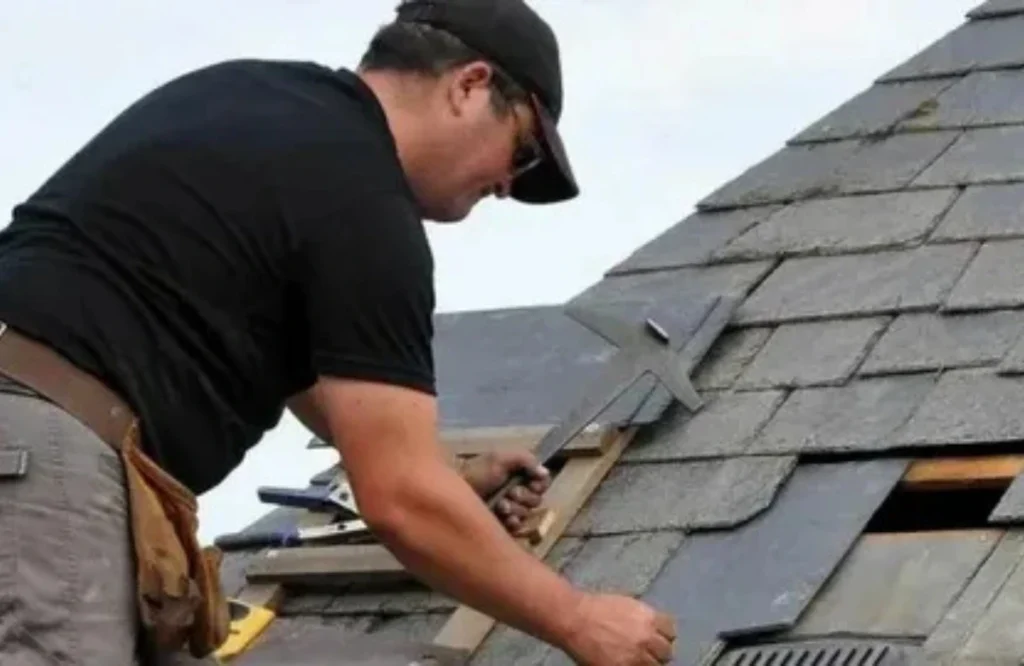
Removing old roofing can add $1 to $2 per square foot depending on layers and disposal fees.
Roof Deck Repairs
Older roofs may require structural repairs due to rot or weather damage before installation.
Snow and Weather Considerations
In colder regions, metal roofs may require snow guards or heating systems to manage snow buildup.
Conclusion
Both asphalt shingles and metal roofing offer strong advantages depending on your priorities. Metal roofs excel in durability, longevity, and energy efficiency. Asphalt shingles remain the more affordable and accessible option with easier installation and repair.
Your final decision should be based on budget, long-term plans, and climate conditions. Helping Hands Roofing, LLC
can help you choose the best solution for your home.
FAQs
Do metal roofs save more energy than asphalt shingles?
Yes. Metal roofs reflect heat and improve airflow, which can reduce cooling costs.
Which roof type is cheaper to install?
Asphalt shingles are significantly cheaper upfront, often about half the cost of metal roofing.
How long do asphalt shingles last?
Most asphalt shingles last between 20 and 30 years, depending on climate and maintenance.