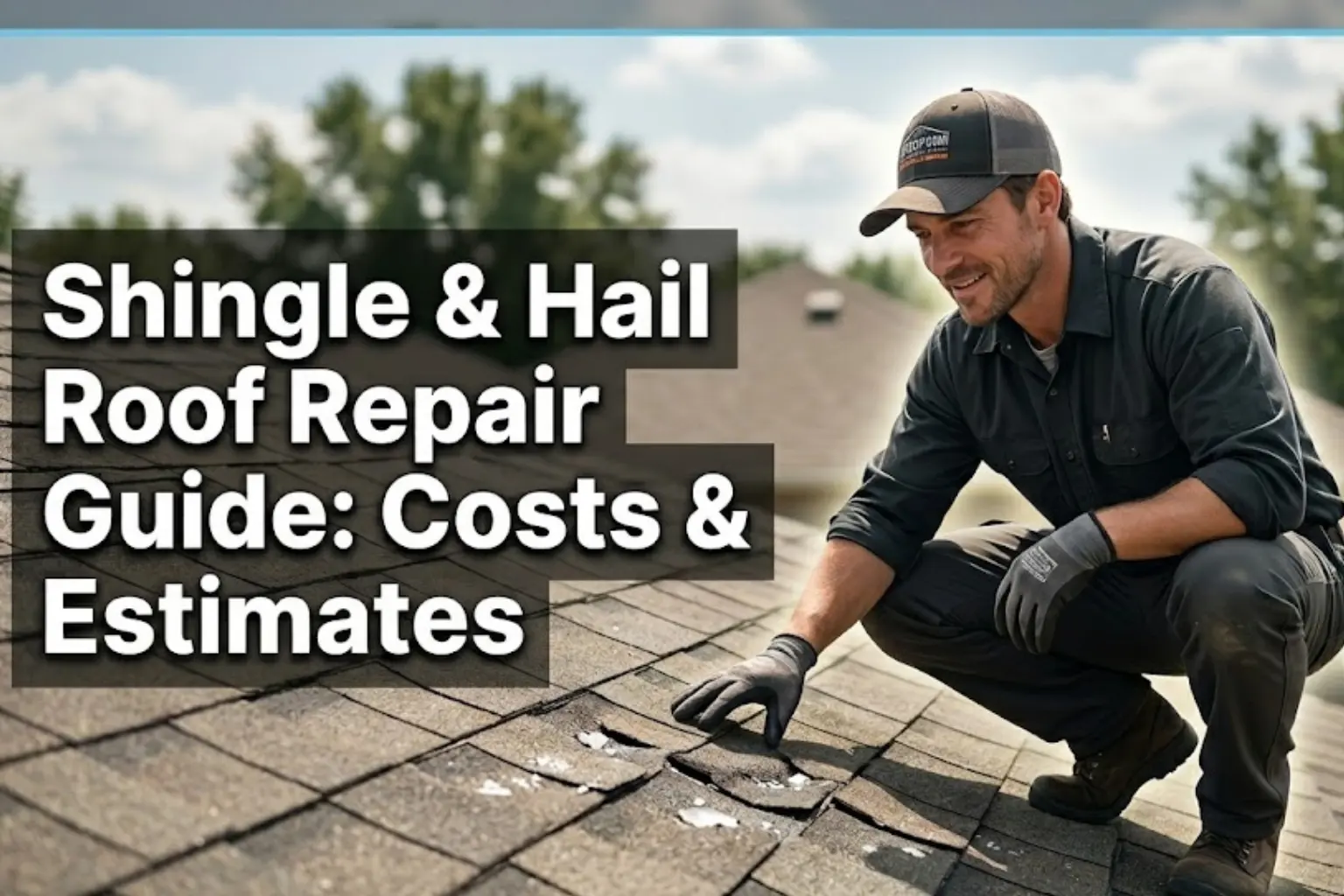


Many homeowners struggle with high energy bills and uncomfortable indoor temperatures. In summer, the house feels too hot. In winter, it feels cold even when the heater is running. In most cases, the real problem is weak or old attic insulation that allows heat to escape and enter too easily.
A well-insulated attic helps control the temperature inside your home. It keeps warm air inside during winter and blocks heat during summer. When combined with good roof ventilation, it also improves airflow and protects your home from moisture and long-term damage.
In this Attic Insulation Guide, you’ll learn how proper insulation and ventilation work together to improve comfort, energy efficiency, and the overall durability of your home.
Why Attic Insulation Is Important
Attic insulation plays a big role in keeping your home comfortable and energy efficient. Without it, your heating and cooling systems work harder than they should.
Good attic insulation helps you:
- Save money on energy bills
- Keep your home warm in winter
- Keep your home cool in summer
- Reduce pressure on your HVAC system
- Improve overall comfort inside your home
When you combine insulation with proper ventilation like ridge vents and soffit vents, your attic stays balanced and healthy.
How Attic Insulation Works
Heat always moves from warm areas to cold areas. In winter, heat from your home rises and escapes through the attic. In summer, hot air from outside enters your attic and spreads into your home.
Attic insulation slows down this heat movement. It traps air inside small pockets, which reduces heat transfer. This keeps your indoor temperature more stable throughout the year.
Good attic air flow also helps. It moves hot and moist air out of the attic and brings fresh air in. This protects your roof and insulation from damage.
Types of Attic Insulation
Fiberglass Insulation
Fiberglass is one of the most common insulation types. It comes in rolls or loose fill. It is affordable and easy to install. It works well when installed without gaps.
Cellulose Insulation
Cellulose is made from recycled paper. Installers blow it into the attic to fill empty spaces. It works well for blocking air leaks and reducing noise.
Spray Foam Insulation
Spray foam expands after application and seals cracks and gaps. It gives strong insulation and blocks air leaks very well. It costs more but offers high performance.
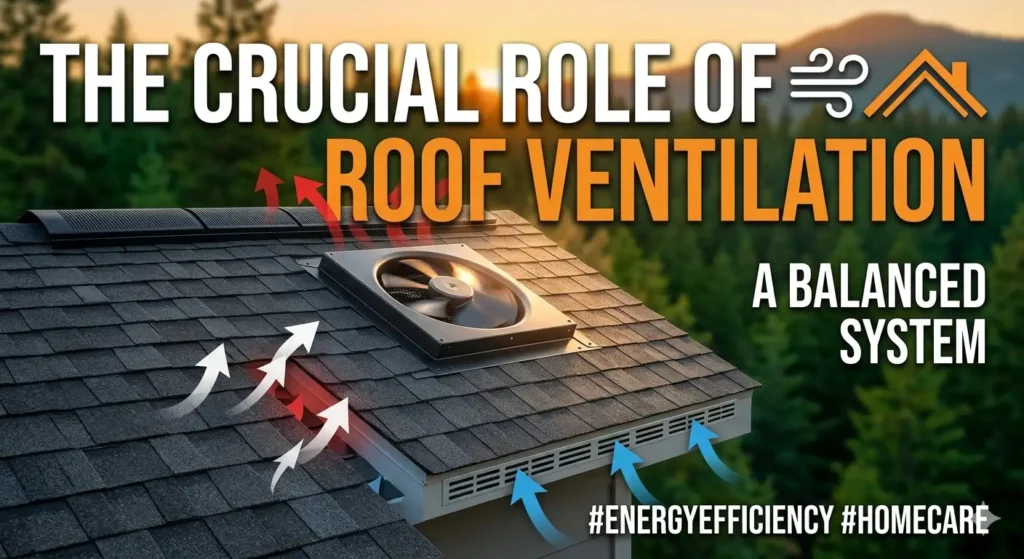
Importance of Roof Ventilation
Insulation alone is not enough. Your attic also needs proper ventilation to stay dry and cool.
Ridge Vent
A ridge vent sits at the top of the roof. It allows hot air to escape from the attic. This helps reduce heat buildup.
Soffit Vents
Soffit vents sit under the roof edges. They bring cool air into the attic. This fresh air pushes hot air out through the ridge vent.
Together, they create proper attic air flow that keeps your attic balanced.
Roof Vent Types
Different homes use different roof vents, such as:
- Ridge vents for steady airflow
- Box vents for small areas
- Turbine vents that spin with wind
- Power vents that use electricity
Proper roof vent installation ensures the system works correctly.
Common Attic Problems
Many homes face energy problems because of attic issues, such as:
- Thin or damaged insulation
- Blocked soffit vents
- Poor airflow in the attic
- Heat loss through the roof
- Ice dams in winter
Ice dams happen when heat escapes the attic and melts snow on the roof. The water then refreezes at the edge and causes damage.
Signs You Need New Attic Insulation
You may need new insulation if you notice:
- High energy bills
- Rooms with uneven temperatures
- Cold drafts in winter
- Hot spots in summer
- Ice buildup on the roof edges
These signs show that your attic is not working properly.
Benefits of Professional Installation
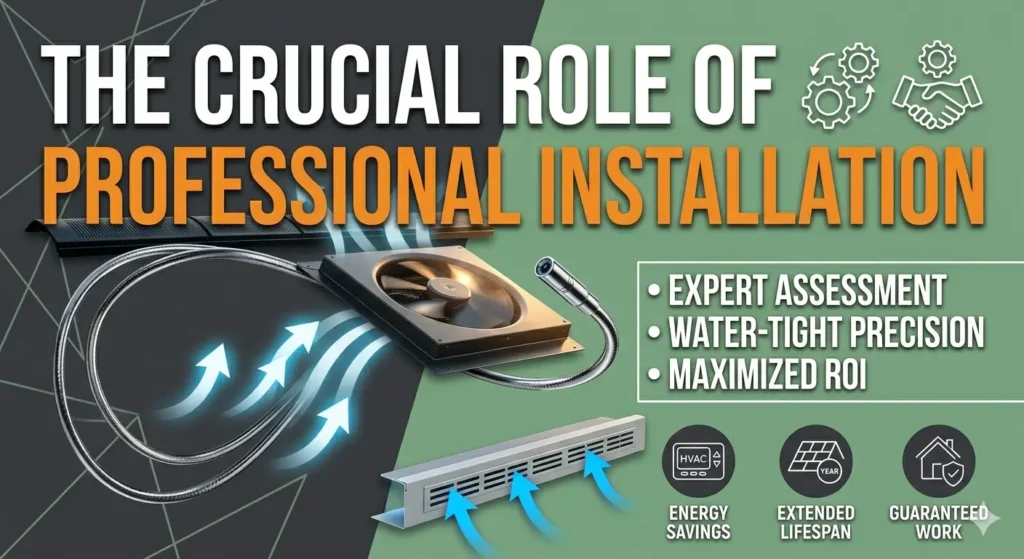
Professional installation gives better and longer-lasting results. Experts know how much insulation your home needs and where air leaks happen.
They also balance insulation with ventilation so your attic works properly. This helps improve energy savings and protects your roof system.
A trained roofing team like Helping Hands Roofing in Dayton can check your attic, fix ventilation issues, and install insulation the right way for long-term comfort and efficiency.
Energy Savings and Comfort
When you improve attic insulation and ventilation, you can feel the difference quickly. Your home stays cooler in summer and warmer in winter without overworking your HVAC system.
Good attic air flow also reduces moisture, which helps protect wood, roofing materials, and indoor air quality. Over time, this saves money and improves comfort in every season.
Conclusion
Attic insulation is one of the most important parts of your home’s energy system. It controls heat flow, improves comfort, and reduces energy costs. When you combine strong insulation with proper ventilation, your home becomes more efficient and easier to live in.
If your home feels uncomfortable or your energy bills are too high, upgrading your attic system with Helping Hands Roofing LLC is a smart step.
FAQs
1. How long does attic insulation last?
Attic insulation can last 15 to 25 years. It may need replacement sooner if it gets wet, damaged, or compressed.
2. Can poor ventilation affect attic insulation?
Yes, poor ventilation traps heat and moisture. This reduces insulation performance and can damage your roof over time.
3. What is the best type of attic insulation?
Spray foam gives the best performance, but fiberglass and cellulose also work well when installed correctly.
4. Why do soffit and ridge vents matter?
Soffit vents bring fresh air in, and ridge vents push hot air out. Together, they keep air moving in the attic.
5. What causes ice dams on roofs?
Ice dams form when warm air melts snow on the roof. The melted water freezes again at the roof edge and creates blockage.