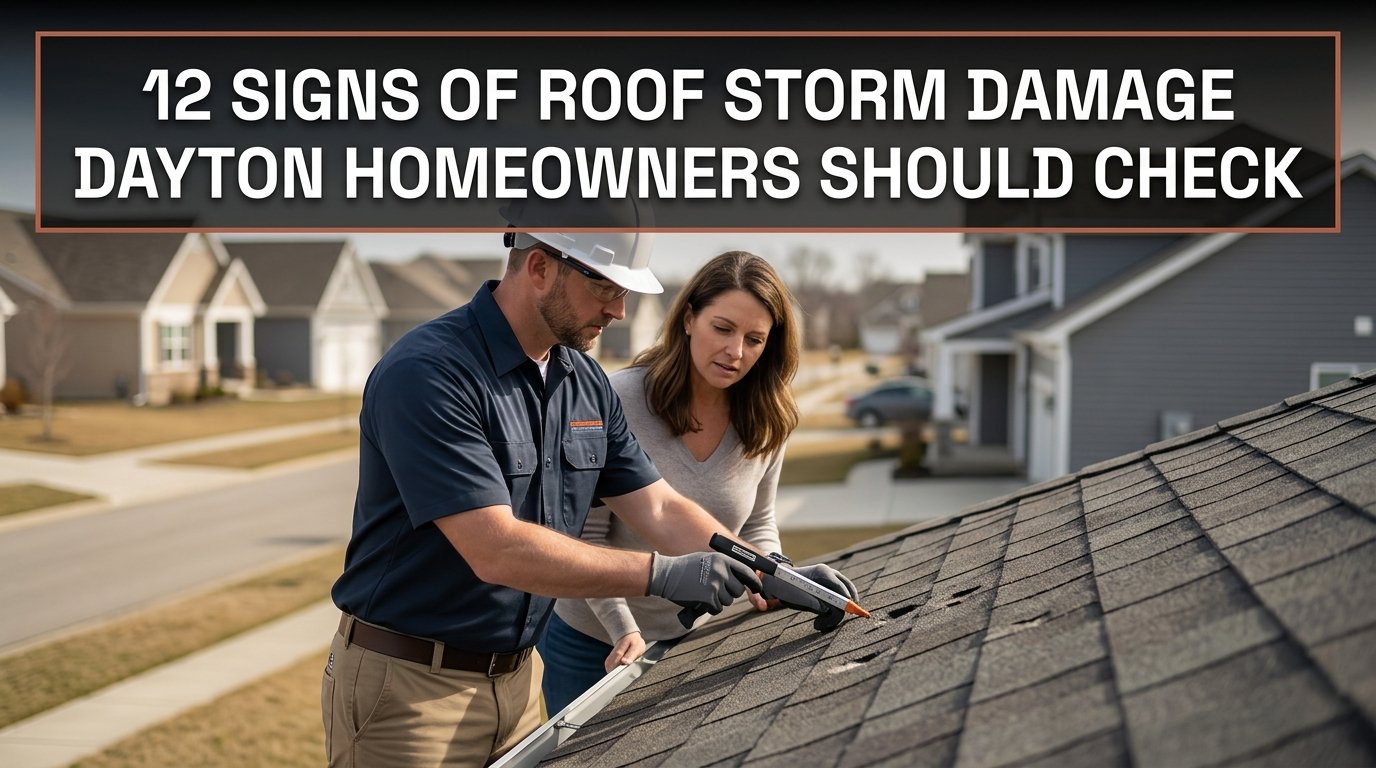

You step outside after a big Ohio storm and spot shingles missing from your roof. Water drips into the attic. Your heart sinks as you think about repair bills piling up. Many homeowners in Beavercreek face this exact moment every spring and summer when hail or wind hits hard.
Insurance paperwork feels overwhelming in moments like this. Knowing what to do next makes the difference between a smooth claim and a stressful delay.
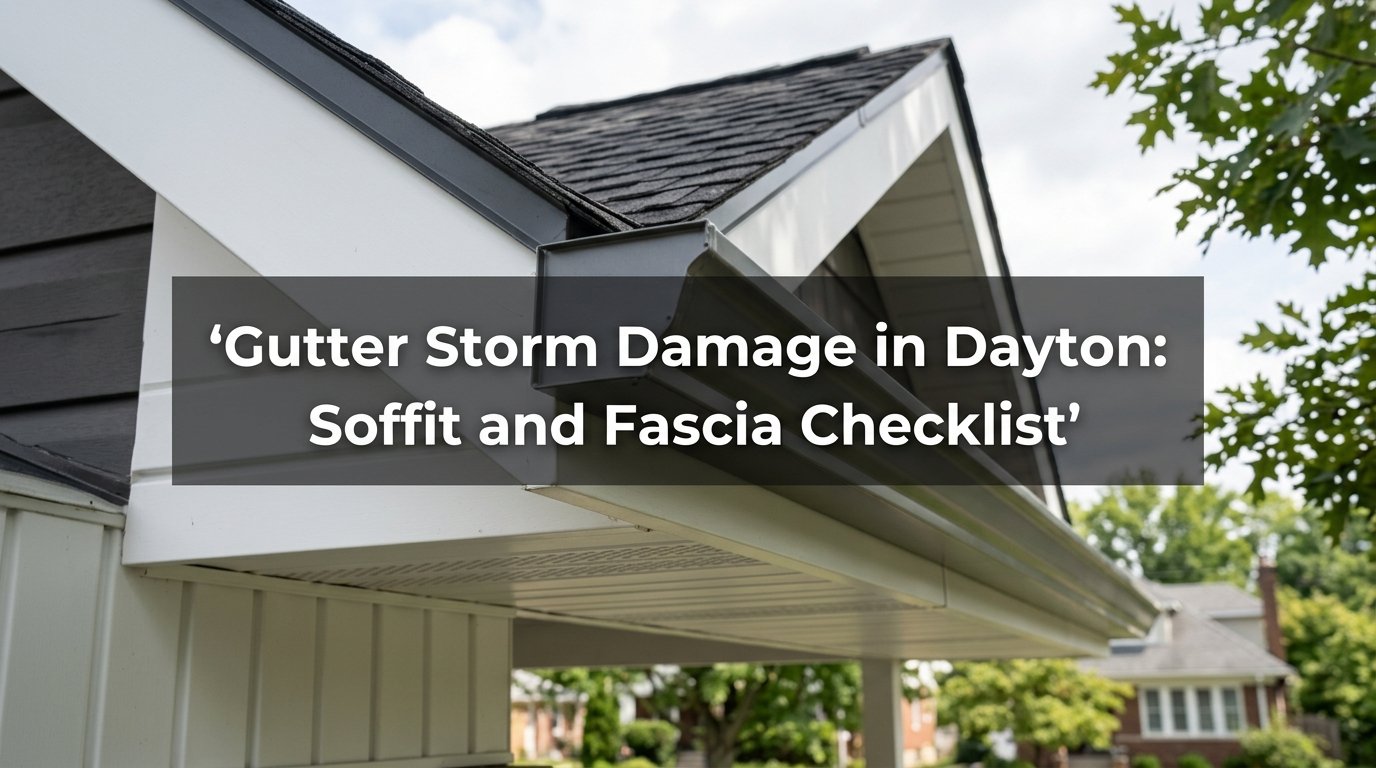
Spotting Storm Damage Before It Gets Worse
Storms in the Dayton area can cause immediate and hidden roof damage. Hail often leaves small dents or granule loss, while wind can lift or tear shingles completely.
Exterior Warning Signs
- Missing or curled shingles
- Bald patches or exposed roofing material
- Debris buildup in gutters
Interior Warning Signs
- Ceiling stains
- Damp insulation in the attic
- Signs of active leaks after rainfall
Catching damage early strengthens your hail damage roof insurance claim and prevents further deterioration.
Will Insurance Cover Roof Replacement?
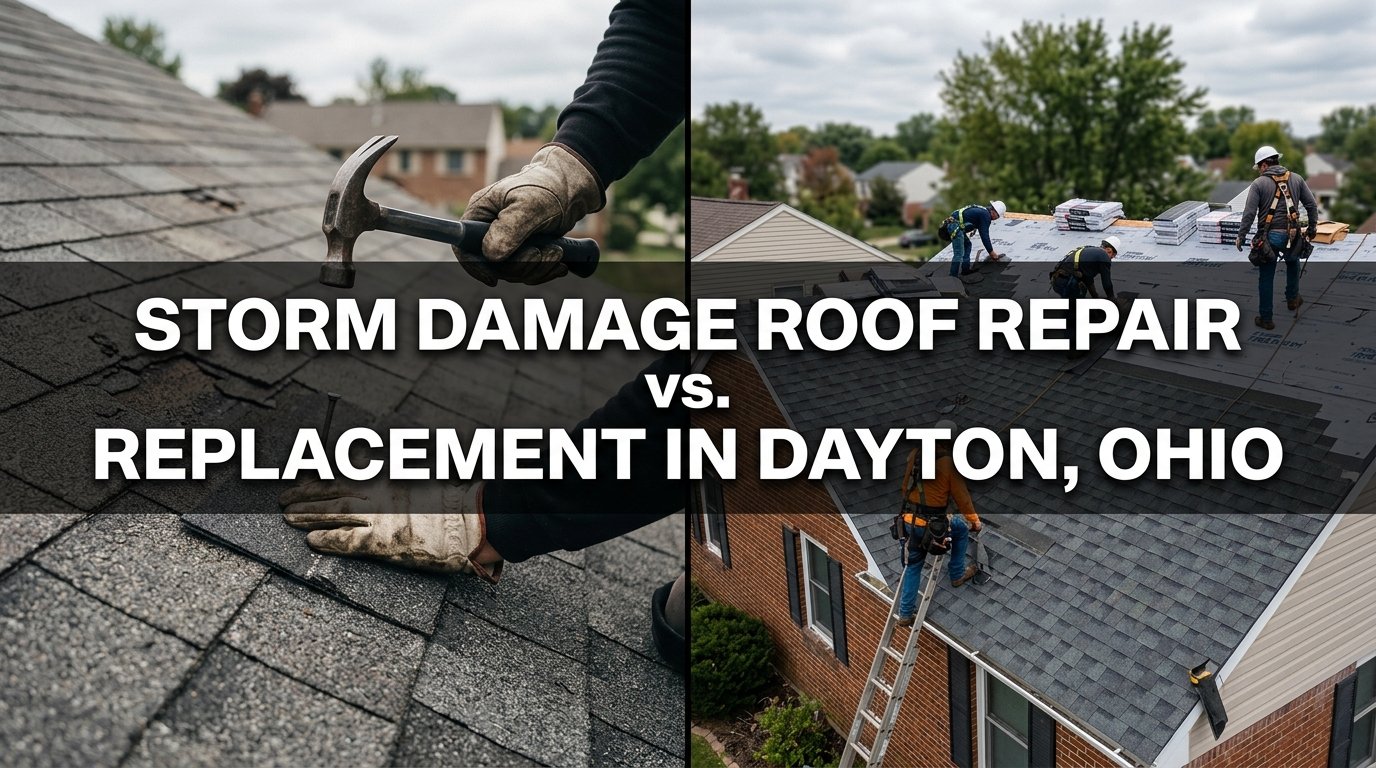
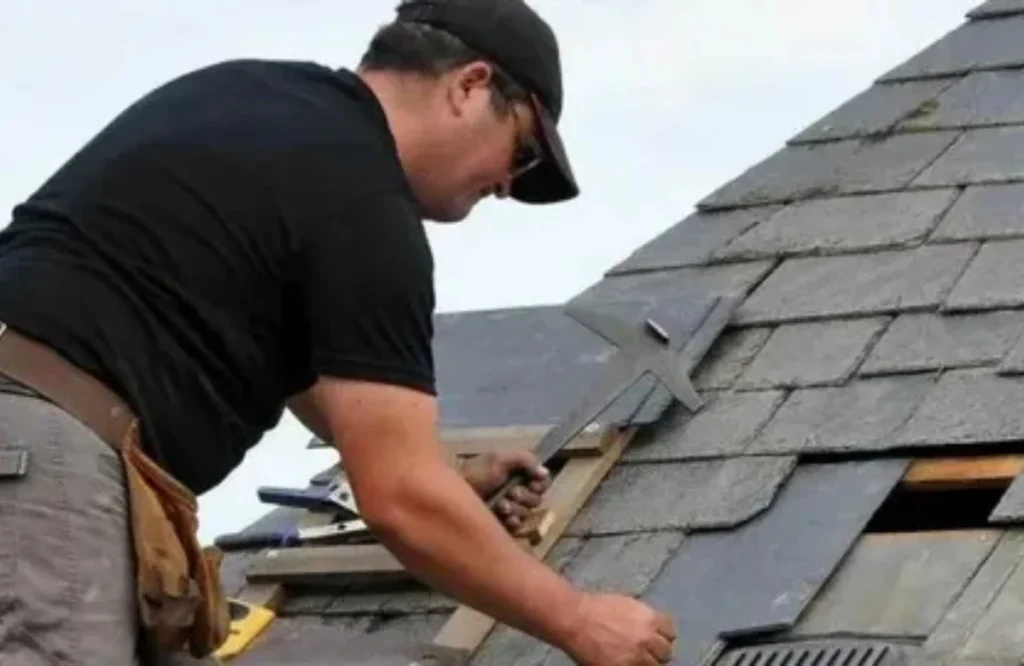
Most Ohio homeowners insurance policies cover wind and hail damage. After paying your deductible, the insurer typically covers repair or full replacement costs depending on severity.
Policy Considerations
- Wind and hail deductibles may differ from standard deductibles
- Older roofs may receive partial coverage based on depreciation
- Some policies exclude cosmetic-only damage
Understanding your policy before storm season helps avoid surprises during a roof replacement coverage claim.
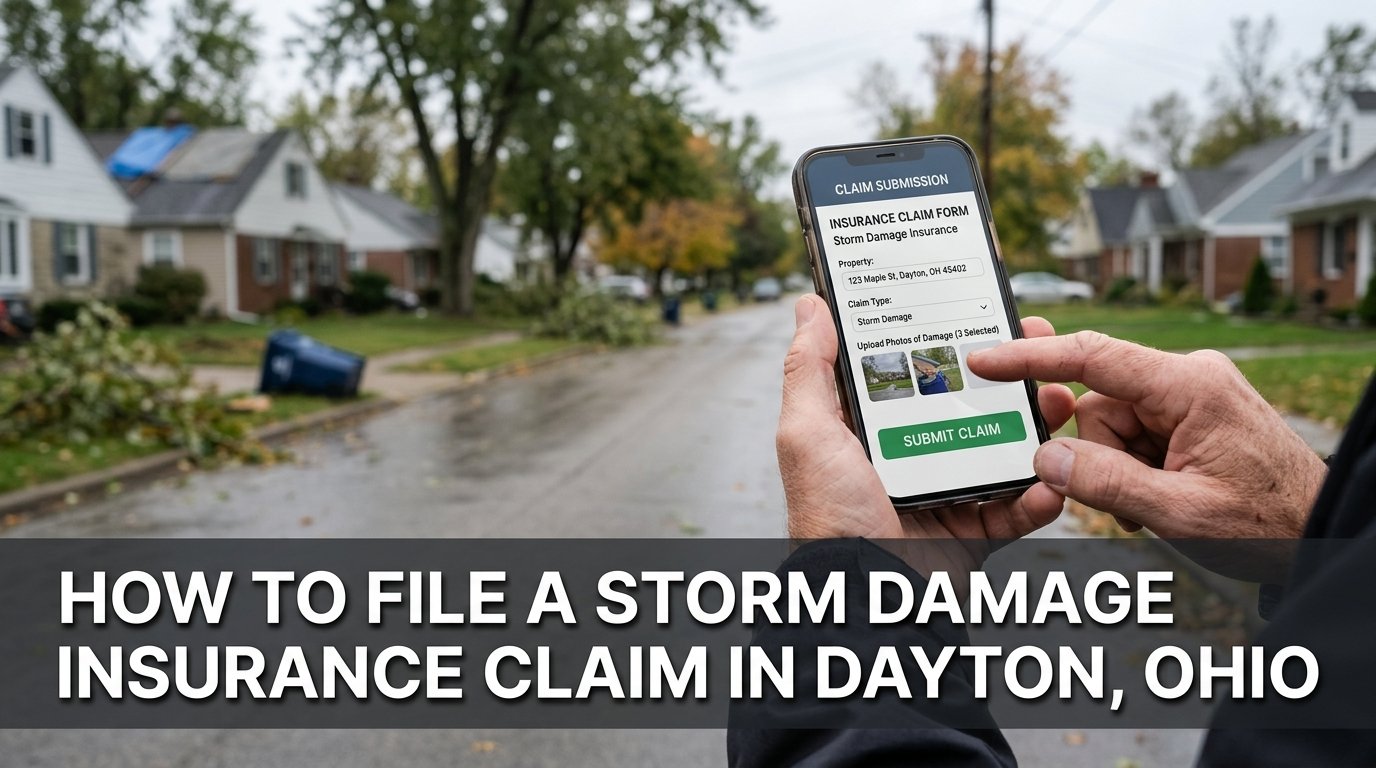
How to File a Roof Insurance Claim
Step 1: Document the Damage
Take clear photos of shingles, gutters, siding, and interior leaks. Record the date and time of the storm.
Step 2: Contact Your Insurance Company
Report the damage and officially start your claim. Request a claim number for tracking.
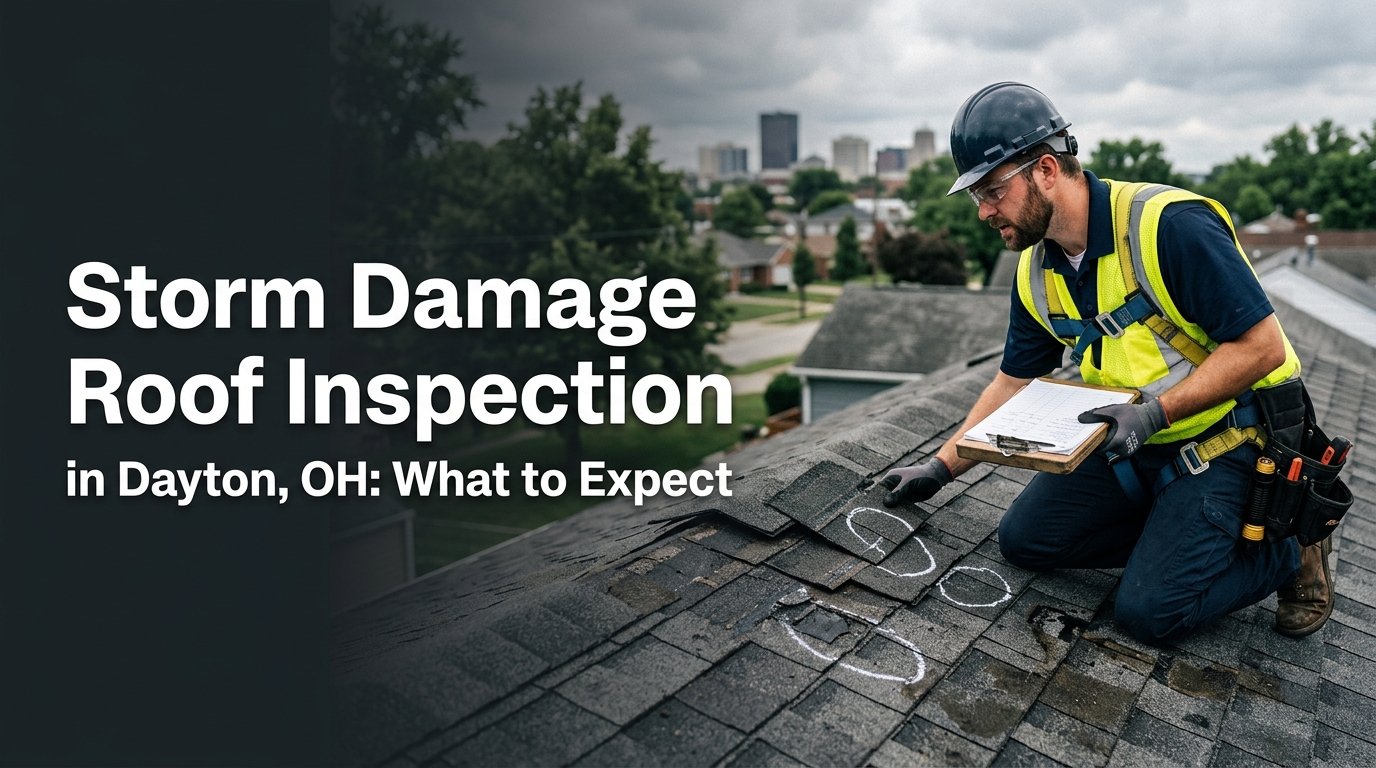
Step 3: Schedule a Professional Inspection
A storm damage roof inspection identifies hidden issues such as decking damage or underlayment failure. This report strengthens your claim.
Proper documentation is essential for a successful “how to file a roof insurance claim” process.
What to Expect from the Insurance Adjuster Assessment
The insurance adjuster will inspect your roof to evaluate storm damage and estimate repair costs.
During the Inspection
- Be present if possible
- Point out visible damage
- Share photos and contractor reports
What They Evaluate
- Hail impact and wind uplift damage
- Affected roof sections
- Repair vs. replacement requirements
Clear communication during the insurance adjuster assessment helps prevent missed damage and delays.
Roof Claim Denied? What to Do Next
A denial does not always mean the end of your claim.
Common Reasons for Denial
- Classified as wear and tear
- Damage below deductible
- Insufficient documentation
Next Steps
- Request a written denial explanation
- Compare findings with your inspection report
- Submit additional evidence or an appeal
Professional help can support an insurance claim denial appeal and improve your chances of reversal.
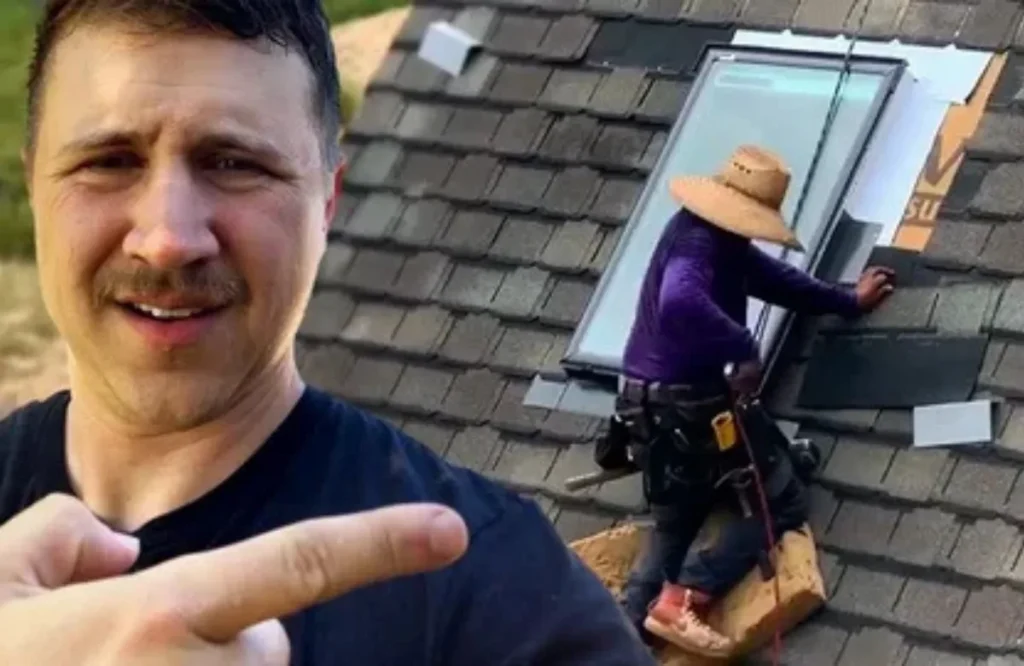
The Storm Restoration Roofing Process
Step 1: Emergency Protection
Emergency roof tarping services prevent further water damage while repairs are planned.
Step 2: Removal and Inspection
Damaged shingles and underlayment are removed. The decking is inspected for hidden structural issues.
Step 3: Roof Replacement
New underlayment, shingles, flashing, and ventilation systems are installed according to approved insurance scope.
Step 4: Final Review
The roof is tested, cleaned, and inspected to ensure full restoration and code compliance.
This storm restoration roofing process ensures both safety and insurance approval alignment.
Why Local Storm Restoration Experts Make the Difference
Local roofing teams understand Beavercreek weather patterns, Ohio building codes, and insurer expectations.
Unlike national providers, local experts can respond quickly and guide homeowners through documentation, inspections, and approvals with accuracy.
Ready to Protect Your Home After the Storm?
Delaying repairs can lead to worsening leaks and higher costs. A fast inspection ensures your claim stays strong and your home stays protected.
Helping Hands Roofing LLC provides full storm damage inspections, insurance coordination, and complete restoration services across Beavercreek and the Dayton area. From documentation to final repair, everything is handled with precision and care.
FAQs
Does homeowners insurance cover hail damage in Ohio?
Yes, most policies cover hail and wind damage after the deductible is met. Policy terms may vary.
How soon should I file a roof insurance claim?
Immediately after discovering damage. Delays can weaken claim approval.
What if my roof insurance claim is denied?
Request a written explanation and submit additional evidence or an appeal with contractor support.
Can I choose my own roofing contractor?
Yes. Homeowners are free to select their preferred contractor for repairs.
How long does the storm restoration process take?
Timelines vary, but most projects are completed after insurance approval within a short construction window.