
Roof leaks can be irritating because where you see the water inside your home is not always where the leak originated. Water can enter near a damaged shingle, flashing detail, vent, or roof valley and travel along the roof decking before reaching your ceiling.
The early diagnosis of the cause is important when it comes to homeowners in Dayton. The components of the Ohio climate — rain, snow, wind, changing seasons, and freeze-thaw cycles — can slowly expose frailties in a roof system. It is just a small amount of water that can turn into a huge problem with insulation damage, mold, rotten roof sheathing, and expensive repairs.
In this guide, we will break down why roofs leak, how to identify the early signs, and what you need to do before it escalates into a significant water damage issue.
First, Understand Why the Leak May Not Be Directly Above the Stain
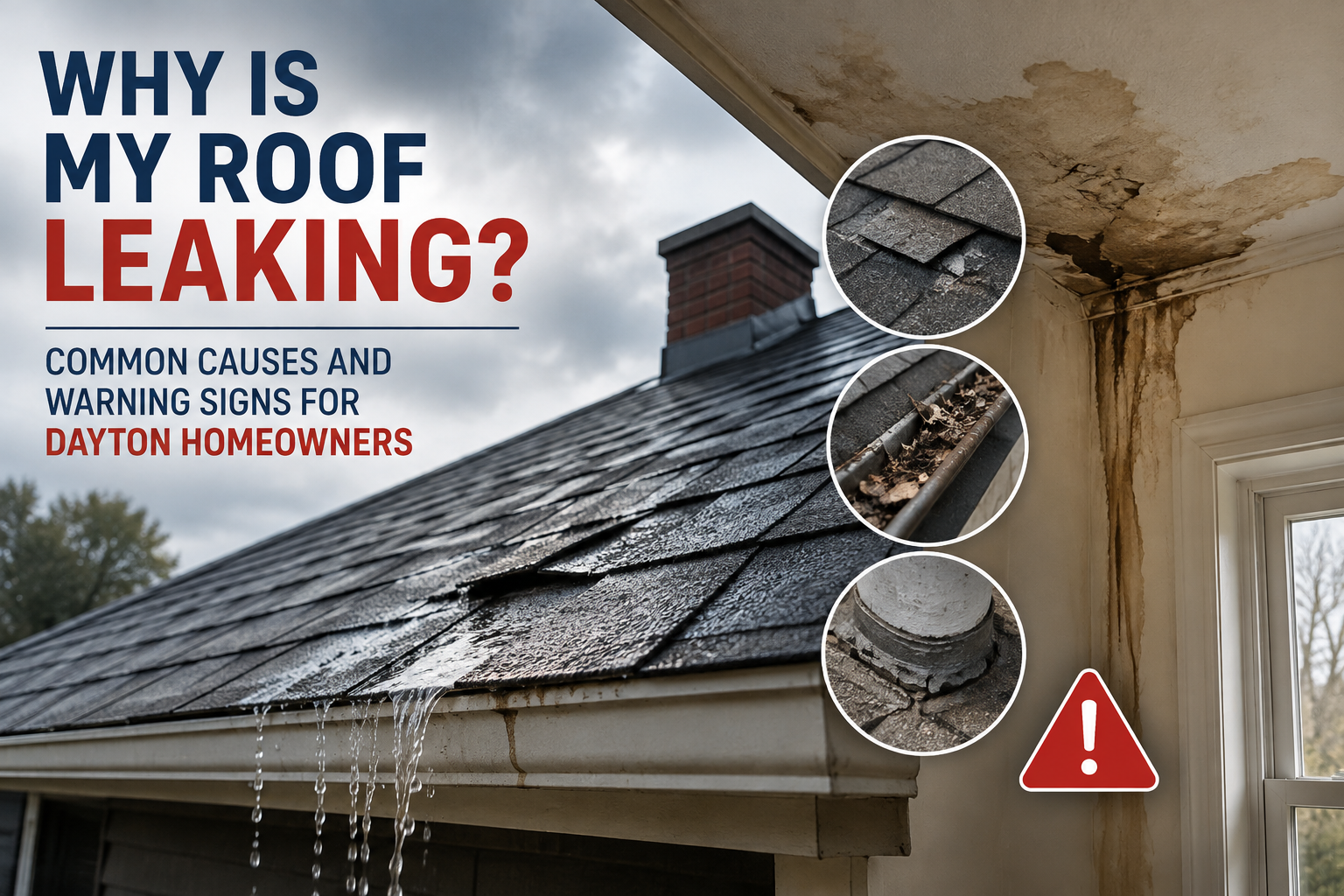
A major error of judgment for the homeowner is assuming that the spot on the ceiling indicates the exact spot on the roof that is damaged. Not all waters flow straight downwards. It can then travel through or under asphalt shingles or through an opening around flashing, and spread to the visible area of the roof or through framing or insulation.
For example, a stain near the center of a bedroom ceiling could originate several feet away from where water entered the roof. This makes finding the source of a leaking roof more complicated than simply looking above the stain.
What to Look for Inside the Attic
If you can reach your attic, check for any signs of water damage like wet insulation, stained wood, darkened wood, or visible water stains on the underside of the roof sheathing. If there is no drip, a musty smell may mean continuous moisture in the attic.
Do not step on materials or wet electrical components, however. If the leak is large, it’s better to get a professional roof inspection, which will be safer in identifying the leak source.
| Quick Note: A roof can leak during wind-driven rain but remain dry during normal vertical rainfall. Wind can push water beneath vulnerable shingles or flashing that might otherwise appear to be functioning properly. |
Common Roof Leak Causes in Dayton Homes
Roof leakage can develop for several reasons. In some cases, the issue is caused by storm damage. In others, normal wear and tear gradually weakens a specific part of the roofing system.
Damaged or Missing Shingles
Underlying layers are protected from direct weather exposure by the asphalt shingles. If shingles crack, curl, loosen, or blow off, water can get through to the underlayment and roof decking. Damage is not always obvious from the ground. The shingle may still be in place, but with lifted edges, visible fasteners, or cracks that allow moisture into the shingle. Damaged shingles may require roof repair before water reaches the underlying roofing materials.
Older shingles tend to be more fragile, particularly from repeated exposure to sun, wind, rain, and temperature fluctuations.
Failed Roof Flashing
Roof flashing protects areas where the roof meets another surface or where something passes through the roof.
Common locations include:
- Chimneys
- Roof valleys
- Skylights
- Plumbing vents
- Wall intersections
A small gap in chimney flashing or improperly sealed flashing can create a direct path for water intrusion. These areas are usually more susceptible than the larger flat roof areas of the roof fitted with shingles because they are joints and transitions.
Problems Around Plumbing Vents and Pipe Boots
Plumbing vent pipes go through the roof and are secured around their base with a pipe boot or flashing piece. With time, rubber or other sealing materials may crack, dry, or separate. Water can then seep around the pipe and go up the attic.
If you notice an attic water leak near a bathroom or plumbing area, the vent penetration is worth inspecting.
Roof Valley Damage
The area where two roofs meet in a house is called a roof valley. A small installation or failure of materials can be a big issue in these areas, as they are also used to collect and direct a lot of water. Common causes for roof leaks include debris, damaged shingles, damaged roof underlayment, or compromised roof valley materials.
Clogged or Poorly Functioning Gutters
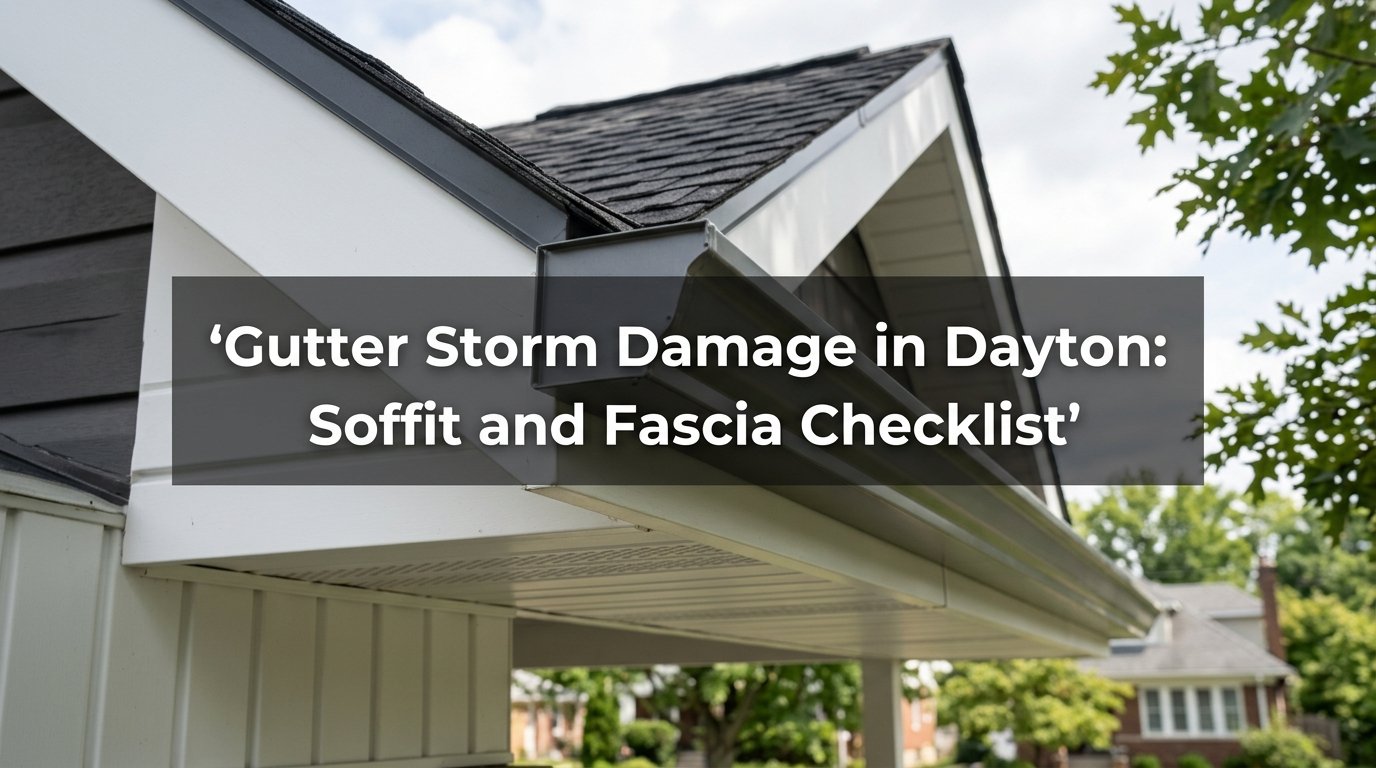
Gutters are not considered a part of the roof covering, but they are an effective part of water management. Back up may occur along the edge of the roof when gutters become clogged. This can help cause moisture issues around the fascia, roof edge, or under the building materials in certain instances.
Cleaning the gutters regularly minimizes the amount of water that must be exposed, especially after storms and when leaves and debris are trapped. Installing seamless gutter systems can also help improve water management around the roof edge.
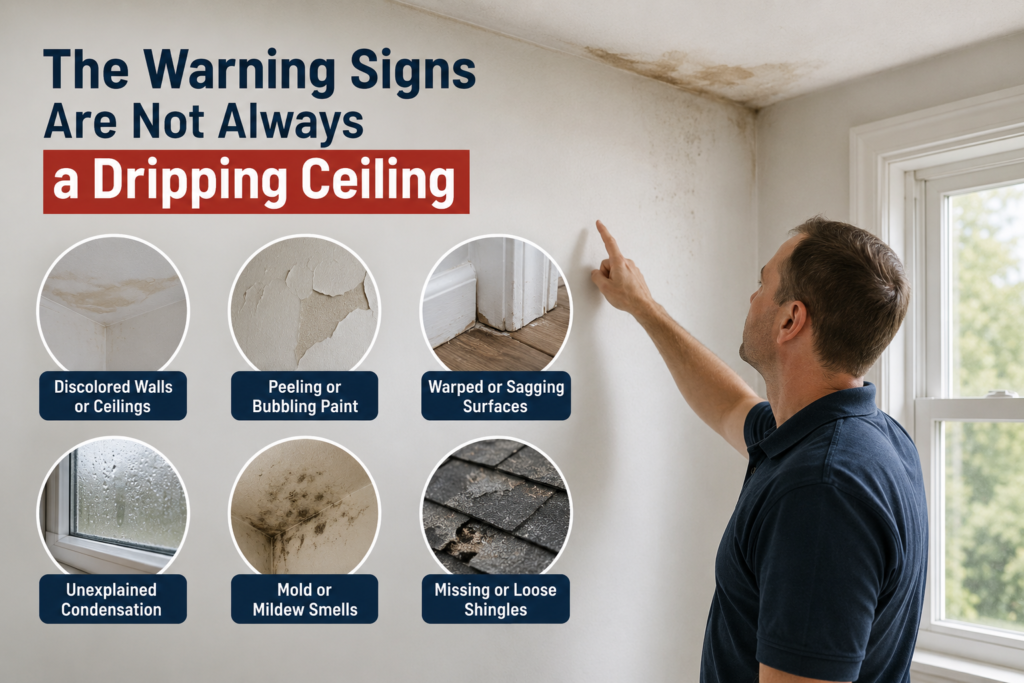
The Warning Signs Are Not Always a Dripping Ceiling
A visible drip is an obvious sign, but many roof leaks begin quietly.
You may first notice:
| Warning Sign | What It May Indicate |
| Brown or yellow ceiling stains | Previous or active water intrusion |
| Peeling paint | Moisture behind the wall or ceiling surface |
| Musty odors | Ongoing moisture or possible mold growth |
| Damp attic insulation | Water entering from above |
| Dark spots on roof decking | Repeated moisture exposure |
| Mold or mildew | Long-term moisture problems |
| Sagging ceiling areas | Potentially significant water damage |
If the stain looks dry right now, then it may not be solvable. The water could have been from a previous storm, and the damaged roofing materials can lead to future leaks.
How to Find a Roof Leak Without Causing More Damage
Homeowners can do a simple visual inspection, but roofs can be slippery and hazardous when wet or damaged. Begin at the center and work your way out. Check in the attic immediately or after the rain has stopped for any signs of dripping, wet wood, or dark lines of water. Be aware of roof penetrations, vents, and spaces around chimneys
Then inspect the exterior from the ground. Inspect for missing shingles, cracked flashing, drooping roofline, and debris in valleys and gutters. Don’t rely on quick fixes of caulking to fix the issue. Water may be able to slip in at one spot and cause damage to materials below before reaching the eyes of people inside.
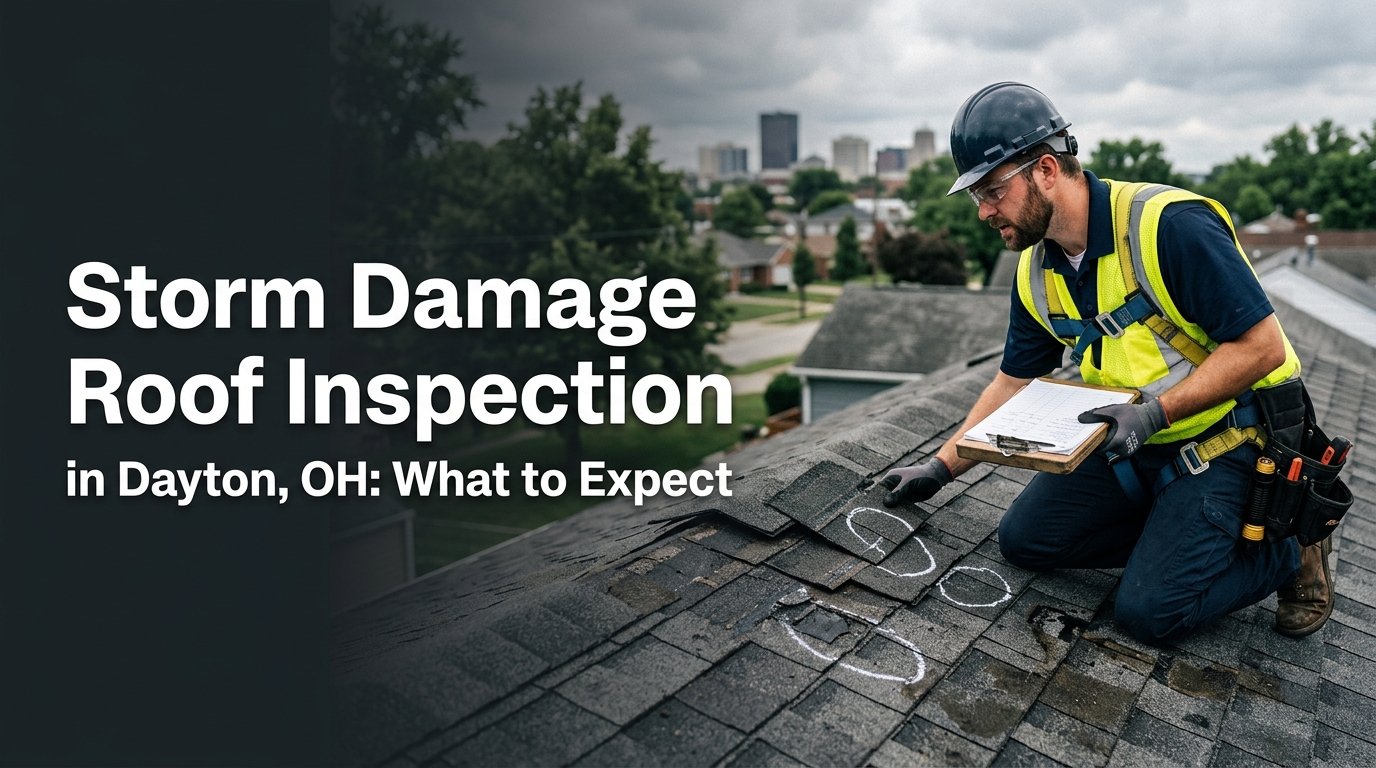
A roof leak inspection by a professional can be particularly helpful for homeowners who are considering how to find a roof leak, when the leak is only intermittent, or when the visible damage is on the interior of the roof, but not immediately in view from the outside.
Why Dayton Weather Can Make Small Roofing Problems Worse
Dayton has variable weather throughout the year. Roofing materials are stressed over and over by rain, snow, strong winds, and temperature fluctuations. The freeze-thaw cycle can be a problem, especially. If the water gets into a tiny crack, it may freeze as a result of a drop in temperature, causing the crack to spread.
Wind-driven rain can also reveal any roof areas that are weak due to inadequate flashing, penetrations, and shingle edges. This is why a roof that only leaks during certain storms should not be ignored. The absence of a leak during dry weather does not mean the roofing system has repaired itself. After severe weather, a storm damage roof inspection can help identify roofing problems that may not be visible from the ground.
What Happens if a Roof Leak Is Ignored?
The more water gets into a house, the more damage can occur. The damage can start out in a small area of insulation or roof decking. Moisture over the years can seep into framing, ceilings, and wall cavities.
A persistent leak may lead to:
- Wet attic insulation that loses effectiveness
- Deterioration of roof sheathing or decking
- Ceiling and wall damage
- Mold growth
- Peeling paint
- Structural damage in severe cases
When it comes to water damage, a small repair is much simpler to deal with than if the damage occurred in various parts of the home.
| Helpful Note: If water is actively entering your home, place a container beneath the drip and move furniture or electronics away from the area. Avoid puncturing a sagging ceiling unless you understand the risks and can safely manage the water and surrounding electrical hazards. |
What Does Roof Leak Repair Usually Cost?
The cost of the roof leak repair will be largely reliant on the cause of the leak. Generally, repairs such as replacing a worn pipe boot or repairing a small area of flashing will be less expensive than repairing the extensive water damage or replacing parts of the roof. For more information about roof leak repair costs, homeowners can review the factors that commonly affect emergency roofing work.
The final cost can be affected by:
- The location of the leak
- The roofing materials involved
- How difficult is the damaged area to access
- Whether underlying roof sheathing is damaged
- The extent of interior water damage
This is what makes it impossible to determine the total cost of repair based on the apparent ceiling stain. The inspection should locate the source of the leak and see if any moisture has impacted materials under the roof surface area.
For a homeowner dealing with a suspected residential roof problem, Helping Hands Roofing can help evaluate the affected area and determine what repairs may be necessary based on the actual condition of the roofing system.
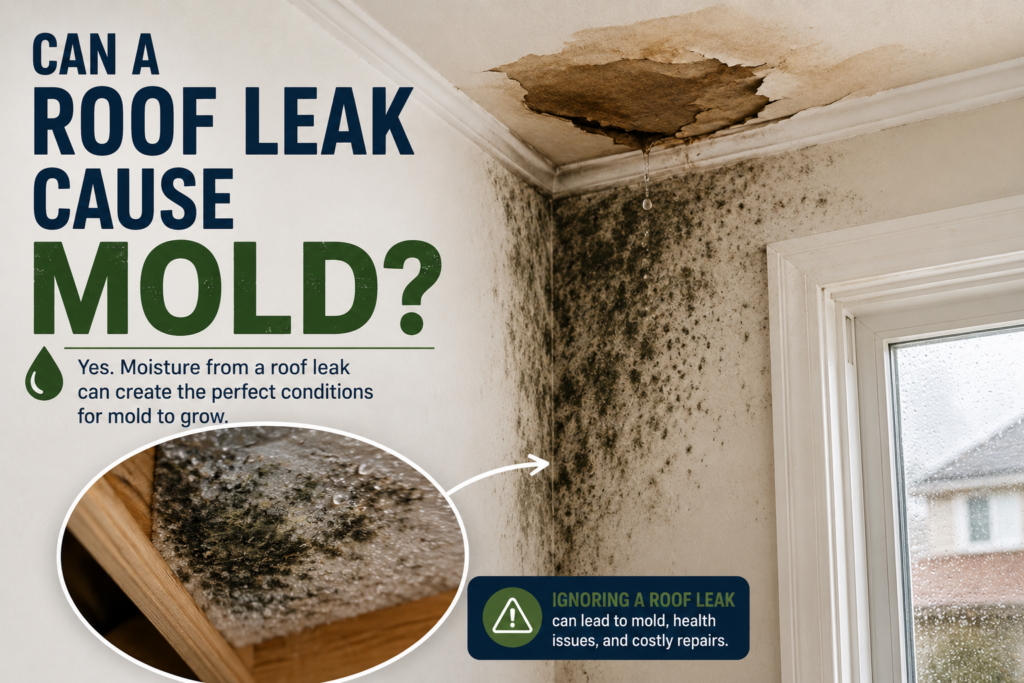
Can a Roof Leak Cause Mold?
Yes. Roof leak mold issues can arise when moisture is left to sit in building materials for prolonged periods of time. Mold growth is more likely when wet insulation, wood, drywall, or other materials do not have an opportunity to dry properly.
The visible mold may also be separate from the original leak source. Water migration can allow moisture to spread through connected materials before mold becomes noticeable. If you see significant mold, extensive water damage, or repeated moisture in the same area, the roofing problem and the affected materials should both be addressed.
When Is a Roof Leak an Emergency?
Not all leaks need to be taken care of urgently, but some cases do. If you see water moving into the building near electrical outlets, a sagging ceiling, waterlogged inside, or significant storm damage, you should seek professional help ASAP.
Additionally, if an extensive area of the roof surface is missing, or water still penetrates during continued intense weather events, take immediate action. Even if the leak is smaller, it’s best to get it inspected as soon as possible. Seemingly minor problems can escalate when a big storm is due.
Ways to Help Prevent Future Roof Leaks
As with everything in life, a roof’s life is not guaranteed, but regular maintenance can help you discover issues before they become a problem in your home. Inspections, clearing gutters, clearing roof valleys of excessive debris, and repairing damaged shingles or flashing without delay are some practical steps that can be taken.
Be extra careful following severe storms. Although there may be no obvious stain on the ceiling, if the ceiling is vulnerable to damage from the wind or impact, this can be exposed during the next rainfall.
Frequently Asked Questions
Why is my roof leaking even though I cannot see damaged shingles?
It could be something related to flashing, a plumbing vent, a pipe boot, a roof penetration, a chimney, or perhaps it could be something not visible from the ground. Moisture may also be trapped underneath the shingles, which may appear to be in good condition but have raised edges or broken seals.
Can attic moisture mean I have a roof leak?
Yes, but attic moisture may also be attributed to ventilation or condensation problems. Water entry from the outside and moisture build-up in the attic can be differentiated on a roof inspection.
How do I know if water stains on my ceiling are from the roof?
Water stains can result from a roof leak, plumbing issue, condensation, or another source. Looking for moisture patterns in the attic and checking nearby plumbing can help narrow down the cause.
Will a small roof leak get worse?
It can. Water intrusion can cause insulation, roof decking, drywall, and other materials to be compromised. Any opening can allow great amounts of moisture into the structure over time, even on a small scale.
Can I repair a roof leak myself?
Safety issues always exist on roofs, and there may be times when minor temporary repairs can be made, but these can then allow more water to get in if the repair is not done correctly. Professional evaluation is often the better option when the source is unclear or underlying materials may be damaged.
Final Thoughts
A leaking roof is not always caused by an obvious hole or missing shingle. Problems with flashing, plumbing vents, pipe boots, valleys, underlayment, and other vulnerable areas can allow water to enter and travel before it becomes visible inside your Dayton home.
The best approach is to identify the source early, inspect the extent of the moisture damage, and repair the actual cause rather than repeatedly treating the visible symptoms. If you are concerned about water intrusion or signs of a developing roof leak, Helping Hands Roofing can help assess the problem and guide you toward the appropriate repair solution.