

After a storm passes through Dayton, you’re wondering if your roof got damaged. You don’t know what to look for. You’re not sure whether what you see is actually damage or just normal wear. This guide covers the signs of roof storm damage that Dayton homeowners need to know. We walk through signs of storm damage visible from the ground, damage you can see inside your home, and damage that only professional roof inspection reveals.
Understanding these signs of roof storm damage helps you catch problems before they become expensive. Early detection means you can get repairs done before water damage spreads. This guide organizes damage signs into three categories so you can systematically check your property after severe weather. Not every sign requires immediate panic. Some signs require professional assessment. This guide helps you understand which is which.
Safety Warning: Don’t Climb On Your Roof
Before you start looking for damage, understand the risks. Don’t climb on your roof. Roofs are slippery, especially after rain or storms. One slip means a fall from height. Shingles might be loose or damaged, giving you false footing. You could fall through the roof if damage is extensive. Leave roof inspection to professionals who have proper safety equipment and training.
If you’re determined to look at roof damage from the ground, use binoculars. A good pair of binoculars lets you see roof details from ground level safely. Take photos with zoom lenses instead of risking your safety. Insurance adjusters and roofing contractors will inspect the roof thoroughly anyway. Your safety is more important than trying to see everything yourself. Call a professional if you suspect serious damage.
Signs Visible From The Ground
Can You See Missing Shingles On Your Roof?
Missing roof shingles are the most obvious signs of storm damage. Walk around your home and look at the roof. Missing shingles leave bare spots where the underlayment shows through. Sometimes you see shingle pieces on the ground beneath the missing areas. Look for partial shingles where part of the shingle tore away. Missing shingles should be visible from ground level, especially if there are multiple missing shingles in one area.
One or two missing shingles might result from age and wear. Multiple missing shingles in a cluster indicates storm damage. Missing shingles along one side of the roof suggests wind direction during the storm. The exposed underlayment under missing shingles allows water to leak into your home. Missing shingles need prompt repair to prevent water damage. Don’t wait on this damage because rain will pour through exposed areas.
Are Shingles Lifted, Curled, Or Torn?
Lifted shingles are partially torn up but still somewhat attached. They stick up from the roof instead of lying flat. Wind lifts shingles during storms and they don’t reseal properly after the wind passes. These lifted shingles look different than normal shingles even from ground level. Curled shingles curl up at the edges. This curling indicates damage or age, sometimes both. Storm wind can curl shingles that otherwise would lay flat.
Curled shingles and lifted shingles both compromise water protection. Water gets under lifted shingles. Rain runs under curled shingles. Both situations lead to roof leaks. These damaged shingles need to be either resealed, replaced, or the roof needs full replacement depending on damage extent. Look at shingle edges along the roof perimeter. Wind damage often concentrates there. Damaged shingles might be visible as patterns along edges or high points.
What About Hail Damage Patterns?
Hail damage creates specific marks on shingles. Look for dark bruised spots or dents on shingles. These bruised shingles show where hail hit. The bruising indicates the granule coating got damaged. This exposes the asphalt underneath, allowing UV damage and water penetration. Hail impact marks usually appear in clusters since hail usually hammers an entire area, not just one spot.
Shingle granule loss is another sign of hail damage. Granules protect shingles from UV damage and water. Hail knocks granules off. You might see granules in gutters and downspouts after a hail storm. Check your gutters for excessive granules. This indicates hail storm roof damage happened on your roof. Some granule loss is normal from age but sudden large amounts of granules after a storm indicate damage.
Is Your Roof Flashing Damaged Or Dented?
Damaged flashing around chimneys, vents, and skylights is common storm damage. Flashing is the metal that seals these penetrations. Dented flashing visible from ground level indicates impact damage. Bent or lifted flashing shows the seal isn’t tight anymore. Water can leak around damaged flashing into your home. Look carefully at areas where roof meets vertical structures. Check whether flashing looks intact or damaged.
Flashing damage might not be obvious from directly below. Use binoculars to look at roof details. Look for bent metal, gaps, or obvious damage. If you can see flashing damage from the ground, professional inspection will likely find more. Damaged chimney flashing especially is common because chimneys are tall and stick up into wind. Wind forces work against flashing seals and can tear them open.
Do Your Gutters Show Damage Or Debris?
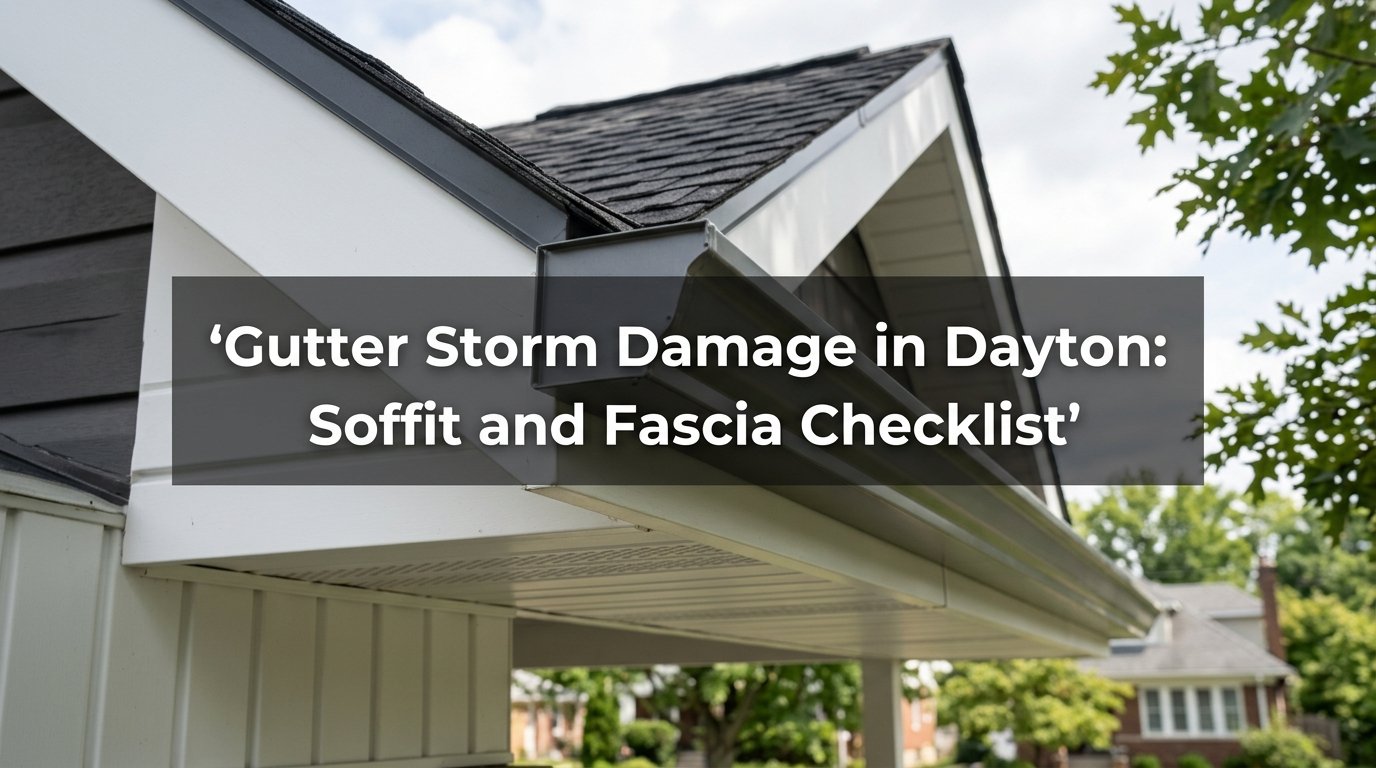
Gutter damage from storms is obvious. Gutters get bent, dented, or ripped away from the house. Downspouts get damaged or disconnected. Look at your gutters from ground level. Do they hang properly? Are they bent or dented? Are sections missing? Are downspouts intact and connected? Damaged gutters don’t function. Water overflows from damaged gutters and damages siding and foundation.
Look inside gutters from ground level for excessive debris. Gutter granules from damaged shingles pile up in gutters. This indicates roof damage occurred. Leaves and twigs accumulate in gutters normally but granules indicate shingle damage. Look for any debris that seems out of place. Pieces of shingles in gutters indicate roof damage. Branches or tree debris indicates trees were damaged in the storm.
Are Roof Vents Or Chimney Damage Visible?
Damaged roof vents might be cracked, bent, or knocked loose. Look for vents that aren’t sitting properly. Vents should be upright and properly seated. Storm damage can flip them, crack them, or knock them loose. Damaged vents don’t function and let pests and moisture into attic. Look for any vents or penetrations that seem out of place or damaged.
Chimneys sometimes get damaged in storms. Inspect your chimney from ground level. Does it look straight? Is damaged chimney flashing visible? Is the chimney cap intact? Is brick or mortar damaged? Chimney damage can range from cosmetic to structural. Even cosmetic damage like missing mortar or cracked brick can lead to water problems if not addressed.
Signs Visible Inside Your Home
Are There Water Stains On Your Ceiling Or Walls?
Ceiling water stains are clear indication that roof leaks after rain occurred or are happening. Fresh water stains from a recent storm indicate current damage. Older stains indicate either previous damage that wasn’t repaired or ongoing small leaks. Either way, water stains mean water got through your roof and into your home. Don’t ignore water stains hoping they go away because roof damage doesn’t self-repair.
Look for stains on ceilings and upper walls throughout your home. Check around light fixtures where penetrations might exist. Check near exterior walls where roof meets wall. Check in bedrooms, closets, and other living spaces. Water sometimes travels along structural framing before showing up as a stain distant from where it actually entered. Multiple stains indicate widespread roof damage. Single stains might indicate isolated damage but still need attention.
Is There Moisture Or Damage In Your Attic?
Check your attic after a storm. Look for attic moisture or water pooling. Look for dripping water indicating active leaks. Look for water stains on wood framing or insulation. Attic moisture from roof leaks can cause mold growth and structural damage. Check insulation for water saturation. Wet insulation loses R-value and can develop mold. Look at the underside of roof decking for dark water stains.
Attic inspection requires getting into your attic which can be dusty and uncomfortable. If you’re not comfortable there, have a professional check. The attic is where roof damage first shows up before interior walls get wet. Early detection in the attic prevents extensive interior damage. Check during daylight when some light comes through roof penetrations, making it easier to see moisture.
Are Interior Wall Stains Or Damage Visible?
Sometimes water from roof leaks doesn’t show up as ceiling stains. Water runs down walls inside. Look for stains or discoloration on interior walls. Check exterior walls especially since they’re closer to roof edges. Water damage on walls might indicate roof damage or flashing damage. Peeling paint or wallpaper might indicate moisture problems. Soft drywall or plaster indicates water damage.
Check closets and storage areas in upper floors where water damage might be hidden by stored items. Pull items away from walls to look for moisture or stains. Check near exterior doors and windows where roof damage might channel water down walls. Interior water damage indicates roof damage that needs attention before more damage occurs.
Signs Only Professional Inspection Reveals
What About Wind Uplift Damage?
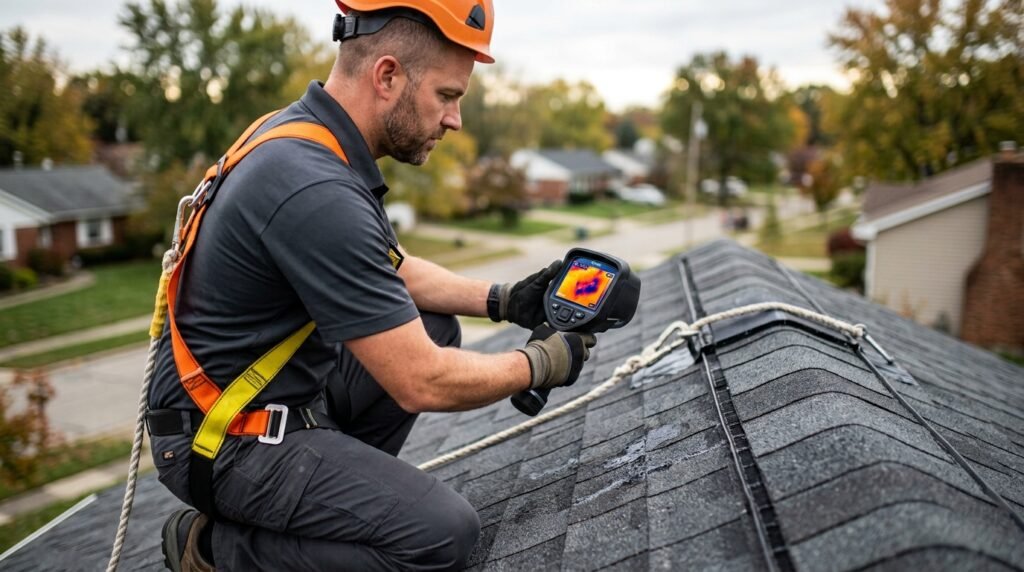
Wind uplift is damage where storm winds lift shingles upward, separating them from the roof without tearing them off. From ground level, you might not see this damage clearly. Shingles still appear to be in place but they’re not properly sealed. Water can get under uplifted shingles. Professional roof inspection reveals this damage through close examination and sometimes by checking seal integrity.
Wind uplift is one reason professional inspection matters. The damage isn’t obvious from distance but the consequences are serious. Water leaks develop under wind-damaged shingles. These leaks happen days or weeks after the storm as wind and water work together to penetrate the roof. Professional inspectors know what signs indicate wind uplift even when it’s not visually obvious.
Can Professionals Spot Hidden Flashing Damage?
Flashing damage sometimes isn’t visible from ground level. Professionals get close to examine every roof penetration. They check caulking around flashing. They check whether flashing is properly sealed. They look for gaps or cracks in flashing that ground-level inspection misses. Hidden roof damage around flashing is common. Water doesn’t immediately show up as leaks but gradually seeps around damaged flashing.
Professionals check roof valleys and transitions where different roof planes meet. These areas are vulnerable to damage and difficult to inspect from ground level. They check the edges where roof meets fascia. They examine anything that sticks up through the roof. Their expertise and close access reveal damage that homeowners can’t see from the ground.
What Can They Find About Underlayment Damage?
The underlayment under shingles protects against water intrusion. Damage to underlayment might not be visible without removing shingles. Professional inspection might reveal underlayment damage when they examine the roof up close. Torn or damaged underlayment compromises roof protection even if shingles look fine. Sometimes damage is visible only when professionals look at the decking or underlayment closely.
Underlayment damage ranges from minor tears to significant damage. Minor damage might be patched. Extensive damage might require underlayment replacement. Only professionals inspecting closely can determine underlayment condition. This is why professional assessment matters for determining whether repair or replacement is necessary.
Are Granule Loss Patterns Visible To Professionals?
Professionals look at overall granule loss patterns across the roof. Excessive granule loss indicates age or damage. Professionals distinguish between normal age-related granule loss and storm damage. They know what normal granule loss looks like and what indicates damage. Shingle granule loss from hail looks different than granule loss from age. Professionals can tell the difference.
Professionals also look at whether granule loss is concentrated in areas or spread across the roof. This pattern tells them whether storm damage occurred or whether the roof is just aging. This distinction matters because it affects insurance claims. Insurance covers storm damage but not normal aging. Professional assessment provides documentation of damage for insurance purposes.
Frequently Asked Questions About Signs Of Roof Storm Damage
What’s the difference between storm damage and normal roof wear?
Storm damage happens suddenly after severe weather events. Normal wear develops gradually over years. Signs of storm damage include missing shingles in clusters, sudden water leaks, dented flashing, or hail impact marks. Normal wear includes scattered missing shingles, gradual granule loss, and general aging. Storm damage usually appears in patterns related to wind direction or hail patterns. Normal wear appears random. Professional assessment distinguishes between the two.
Should I get a professional inspection even if I don’t see obvious damage?
Yes. Professional roof inspection finds damage ground-level inspection misses. Hidden roof damage like wind uplift or underlayment damage only shows up under close examination. Water might be leaking into your home before you see ceiling stains. Professional assessment documents damage for insurance claims. Even if you see damage, professional inspection quantifies it and determines repair versus replacement needs.
How long after a storm should I inspect for damage?
Inspect as soon as it’s safe. Don’t wait days or weeks. Early inspection catches damage before secondary water damage develops. Insurance companies want prompt reporting of damage. Delaying claim reporting can cause issues with coverage. Within days of the storm, contact your insurance company and schedule professional inspection. Waiting allows water to seep further into your home, causing more damage.
Can I file an insurance claim if I find damage weeks after a storm?
You can try but timing matters. Insurance companies expect prompt reporting. Many policies have specific timeframes for reporting damage. Delaying the claim might affect coverage or payment. Some insurers assume damage found weeks later might be pre-existing rather than storm-related. Report damage promptly for best coverage. Contact your insurance company immediately when you discover damage.
What should I do if I find signs of roof damage?
Document everything with photos and video. Call your insurance company to report the damage and start the claim process. Schedule professional inspection for assessment and documentation. Ask about emergency roof tarping if water is actively leaking. Don’t attempt repairs yourself. Call a professional roofer for damage assessment and repair estimates. Follow your insurance company’s guidance on next steps.
Are missing shingles from one storm enough to file a claim?
It depends on your deductible and insurance policy. If repair cost is less than your deductible, filing might not make sense. If damage cost exceeds your deductible significantly, filing makes sense. Accumulating minor damage over multiple claims might affect your rates. Consult your insurance agent about whether to file for specific damage. They can advise based on your policy and situation.